I was wandering through YouTube recently when I came across a video about women in fly fishing. Given the ethos of Hastings Fly Fishers, our belief in sharing and enjoying this wonderful sport, and – more importantly – our commitment to welcoming everyone, regardless of age, gender, background or experience, I thought it was well worth passing on.
Let me start as the presenter does: this isn’t a debate about whether women belong in fly fishing. They do. It really is that simple. Instead, the video celebrates women who have helped shape our sport, from early pioneers and influential fly tiers to today’s anglers, educators and conservation advocates.
Some names will be familiar to members of our Club; others may be new to you. Their stories remind us that fly fishing is richer for the people who contribute their knowledge, enthusiasm and experience.
Dame Juliana Berners: An Early Voice in Fishing

Have you heard of Dame Juliana Berners? Probably not, and that’s understandable. She lived long before modern fly fishing as we know it.
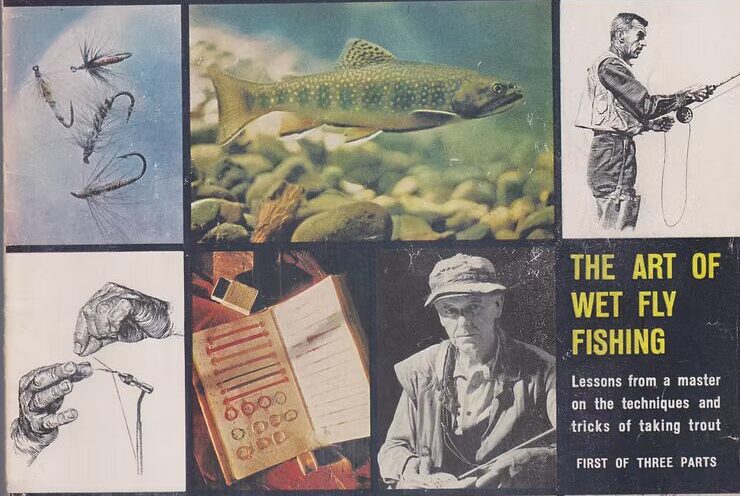
Berners is traditionally associated with The Treatyse of Fysshynge with an Angle. It was published in 1496 as part of the second edition of The Boke of St Albans. It is widely recognised as the earliest printed book in English devoted to fishing with a rod and line.
Written some five hundred years ago, it contains advice on fishing equipment, bait, fish and the practicalities of angling. Much has changed since her time. Yet the underlying message remains familiar. Successful fishing takes knowledge, observation, patience and an understanding of the natural world.
It’s remarkable to think that a woman writing in the fifteenth century helped lay foundations for the angling literature that followed.


A Tribute in Flies
The Dame Juliana Berners Collection offers a fascinating connection between angling history and the art of fly tying. To commemorate five hundred years of fly fishing, Rogan of Donegal tied a collection of flies based on the recipes attributed to her book.
You can view the collection at the American Museum of Fly Fishing, which preserves and celebrates the history of our sport.
Source: American Museum of Fly Fishing.
Further Reading
To learn more about Dame Juliana Berners and the Treatyse of Fysshynge wyth an Angle, take a look at this interesting article from Le Comptoir Général: Lady Juliana Berners – The History Behind the Legend. It explores the uncertain authorship of the famous treatise and its lasting significance in the history of angling.
Mary Orvis Marbury: A Name Behind the Flies

The surname Orvis will surely ring a bell with fly fishers. Mary Orvis Marbury was the daughter of Charles Orvis, founder of the American fly-fishing company that still bears his name.
Mary became an important figure in the development and documentation of American fly fishing, particularly through her work with flies. Her 1892 book, Favorite Flies and Their Histories, recorded fly patterns and the stories behind them. It drew on the knowledge of anglers from across the country.
Fishing literature and the commercial tackle industry were largely dominated by men at the time. Her work helped preserve an extraordinary body of practical knowledge.
Her contribution reminds us that advancing fly fishing isn’t just about catching fish. Recording what works, sharing experience and passing knowledge to the next generation are every bit as important.


Further reading
Discover more about Mary Orvis Marbury in this profile from the American Museum of Fly Fishing. It explores her pioneering work in fly tying and her influential 1892 book, Favorite Flies and Their Histories.
Carrie Stevens: The Art of the Streamer
Another influential fly tier was Carrie G. Stevens of Maine, USA, best known for her striking streamer patterns.

Stevens developed the famous Gray Ghost streamer in the 1920s. Its distinctive construction and carefully selected colours helped establish her reputation, and her flies became highly regarded for fishing Maine’s lakes and rivers.
Her work demonstrates how fly tying can be both a practical craft and an art form. A good pattern is more than a collection of feathers and fur. It reflects observation, experimentation and an understanding of what fish might take.
Stevens forged a reputation through the quality and effectiveness of her flies. Her legacy continues wherever anglers and tiers study classic streamer patterns and adapt them for their own waters.


Further reading
- Carrie Stevens – American Museum of Fly Fishing — Explore Stevens’ life, her fly-tying business and the development of her celebrated streamer patterns.
- Women and the Art of Tying Flies: A Maine Sporting Tradition – MidCurrent — Discover the wider tradition of women fly tiers in Maine, from Carrie Stevens to the women continuing the craft today.
Joan Wulff: A Lifetime of Teaching

Joan Wulff is arguably one of the great matriarchs of American fly fishing.
She won her first national casting championship at just sixteen. She competed against men in a field where women were far from commonplace.
Wulff went on to enjoy a remarkable competitive career. Later, she devoted much of her life to teaching casting, writing books and helping anglers become more confident on the water.
Her contribution goes well beyond competition. Casting can be one of the biggest hurdles for newcomers to fly fishing. Good instruction can make the difference between frustration and a lifelong passion.
One story shared by a commenter on the video captures Joan’s generosity beautifully. The commenter recalled meeting her at a restaurant near her home about 15 years ago. When the commenter’s five-year-old daughter expressed an interest in fishing, Joan left her dinner. She retrieved a rod from her car and spent the next two hours teaching the youngster to cast on the lawn. She even took her dinner away with her.
That is a wonderful example of what it means to be an ambassador for our sport.
Not simply winning competitions or earning recognition, but seeing someone else’s curiosity and taking the time to encourage it. A child who receives that sort of attention may remember the experience for the rest of their life.


Further reading
- Joan Salvato Wulff – American Museum of Fly Fishing — Read about Joan’s life, her achievements in competitive casting, and her lasting contribution to fly fishing through teaching and instruction.
- Virtuoso – Anglers Journal — A detailed profile exploring Joan’s extraordinary casting ability, her approach to teaching, and her philosophy of giving back to the sport.
April Vokey and the Women of Today

Moving from historical figures to the contemporary scene, the presenter also mentions April Vokey. Many modern fly fishers will recognise her name, including a few of us at Hastings Fly Fishers.
Vokey is a Canadian angler, fly tier, writer and educator. She has built a following through her fishing, teaching and social media work.
She specialises in pursuing salmon and steelhead. Through her work, she has introduced a wide audience to different fisheries, techniques and traditions.
She is one of a growing number of women whose skills, knowledge and enthusiasm are visible throughout the modern fly-fishing world.
In Columbia-based guiding operation took anglers to some of the region’s renowned steelhead waters, where she provided guiding and instruction.
She has also worked as a fly-fishing columnist and casting instructor, sharing her knowledge and enthusiasm with anglers well beyond Canada.
Her contribution extends beyond fishing and guiding. April has been involved in fisheries conservation and organisations supporting the sport, including the Steelhead Society of British Columbia and the BC Federation of Fly Fishers.
Through her writing, teaching and media work, she has helped introduce new audiences to fly fishing and the people, places and traditions that make it special.


Anchored: Conversations with Fly Fishing’s Influential Voices
April also created Anchored, a podcast featuring conversations with some of the most interesting and influential people in fly fishing. The interviews explore much more than fishing techniques. They cover personal stories, conservation, fly tying and the history and culture of our sport.
One episode worth seeking out features Joan Wulff. We’ve already explored her remarkable casting career and dedication to teaching. Hearing her speak with April offers another way to appreciate her contribution.
Further listening and reading
- Anchored with April Vokey – Explore the podcast and look for the conversation with Joan Wulff.
- April Vokey on Women in Fly Fishing, Conservation and Steelhead – Wet Fly Swing – An interview discussing April’s experiences in the sport, women in fly fishing and conservation.
More Women Making Their Mark
April Vokey is just one of many women making a real contribution to fly fishing today. The presenter also highlights several others worth knowing about.

Cathy Beck was a respected angler, photographer, author and casting instructor who helped introduce countless people to fly fishing through her teaching, books and international fishing trips. She passed away in 2024, but her influence lives on through the anglers she inspired.

Marina Gibson, based in the UK, is a fly-fishing guide, casting instructor and conservation advocate. She founded the Northern Fishing School to make fishing more accessible and co-founded the Cancer and Pisces Trust, which uses angling and the outdoors to support people affected by cancer.
In 2024, she also helped challenge the long-standing exclusion of women from London’s historic Flyfishers’ Club, which voted to admit female members following a campaign for greater inclusion.

Hilary Hutcheson is a guide, outfitter and owner of Lary’s Fly & Supply in Montana. Alongside her work on the water, she is a passionate conservation advocate, involved in organisations working to protect rivers, public lands and the wider environment.
More Than Fishing
These women demonstrate that contributing to fly fishing can take many forms. This includes teaching newcomers, sharing knowledge, running businesses, inspiring others and protecting the waters and fish on which our sport depends.
They also show that fly fishing and conservation need not be separate pursuits. A passion for the sport can go hand in hand with a commitment to healthy waterways, thriving fish populations and preserving the environments that make fly fishing possible.
While these well-known figures deserve recognition, it is worth remembering that fly fishing has always been enriched by people whose names never make it into books or videos.
Their contributions are just as important to the future of our sport. They might mentor others, care for local waterways or simply share their enthusiasm.