

The Freshwater Herring (Potamalosa richmondia), also known as the Australian Freshwater Herring or Nepean Herring, is a native Australian fish belonging to the herring family (Clupeidae). Despite its name, it isn’t confined to freshwater and spends part of its life in coastal estuaries. It is endemic to eastern Australia, occurring in coastal river systems from southern Queensland to Victoria.
Identification and Appearance
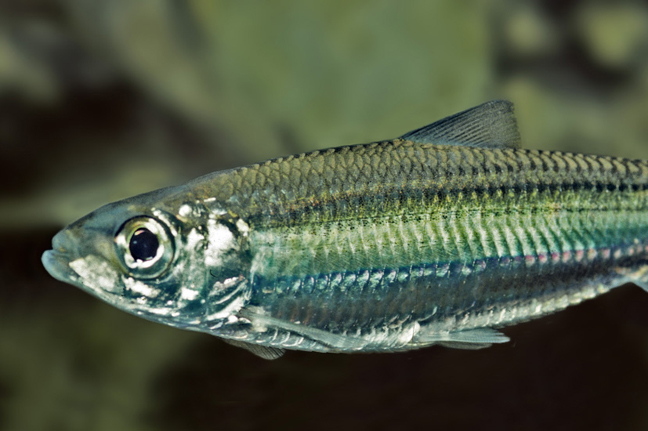
The Freshwater Herring has a slender, elongated and somewhat compressed body, with a distinctive silvery appearance and a greenish tinge along its back. A broad silvery stripe with darker edges runs along the middle to lower sides of the body, while the belly is also silver. Its fins are generally clear to yellowish.
It has a relatively large eye, an elongated rounded snout and a small, upward-facing mouth with a noticeably protruding lower jaw. Its body is covered in moderately large scales, with a serrated ridge along the back and another along the belly. The tail is deeply forked, giving it the streamlined appearance typical of schooling herrings.
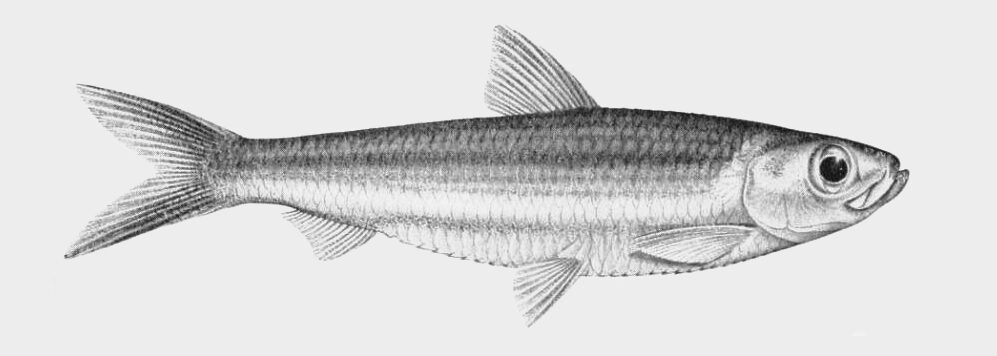
Freshwater Herring are a schooling species that can grow to around 32cm in length, although most fish are considerably smaller, commonly reaching about 15cm.
Habitat and Distribution
Freshwater Herring are primarily found in the middle and upper reaches of clear, moderately flowing rivers and streams, although they also inhabit estuaries and coastal waters.
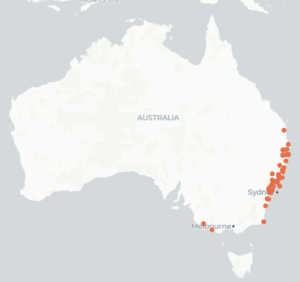
They occur along Australia’s east coast, from southern Queensland through New South Wales to Victoria. In NSW, they are recorded in several coastal river systems, including the Richmond, Clarence and Bellinger catchments.
The species is particularly interesting because it moves between freshwater and saltwater environments during different stages of its life cycle.
Diet and Feeding Habits
Freshwater Herring feed primarily on worms, small crustaceans and aquatic insects. They are opportunistic feeders, taking advantage of the small food items available throughout their river and estuary habitats.
Their willingness to chase moving food makes them an entertaining target for fly anglers, particularly when they are actively feeding near the surface.
Breeding and Life Cycle
One of the more interesting aspects of the Freshwater Herring is its breeding behaviour. Although primarily a freshwater species, it undertakes seasonal migrations downstream into estuaries to spawn, generally during the winter months of July and August.
The eggs are released into the water column, and the larvae and juveniles develop in estuarine and coastal marine waters before moving back into freshwater as they grow. This migration between freshwater and saltwater is known as a semi-catadromous life cycle.
The species may move between marine and freshwater environments annually and is thought to live for up to 11 years.
Conservation
The Freshwater Herring is currently classified as Least Concern on the IUCN Red List. However, local populations can be vulnerable to changes in river conditions.
Barriers such as dams and weirs can prevent fish from reaching their estuarine spawning grounds, potentially causing populations upstream of these barriers to disappear. Maintaining connectivity between freshwater rivers and coastal estuaries is therefore important for the continued survival of the species.
Fly Fishing for Freshwater Herring
Freshwater Herring are great fun on fly and, in the editor’s experience, absolutely love a chase! A fast strip retrieve will often get their attention; don’t be surprised if one grabs your fly as you’re reeling in to make another cast – they’ll often follow it right to your feet before striking.
A light fly-fishing setup is ideal for these fish:
Dry Flies
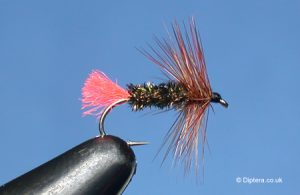
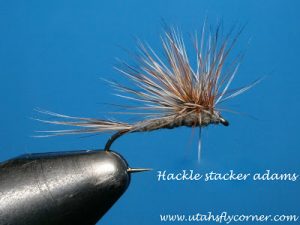
Freshwater Herring will readily take a variety of small surface patterns. Small terrestrial patterns, tiny black or grey midges, foam beetles and traditional dry flies such as Red Tags and Adams are all worth trying.

The Drop Technique
When fishing beneath overhanging trees, try the drop technique. A small beetle or ant pattern landing on the water can be an invitation too good to resist. Be ready for an immediate take, sometimes before you’ve even had a chance to retrieve the slack!
Rather than casting directly towards the fish, position your fly above or just beyond the branches and allow it to drop naturally into the water beneath the canopy.
Freshwater herring often shelter in these shaded areas, taking advantage of insects and other food that fall from overhanging vegetation. Be ready for an immediate take, sometimes before you’ve even had a chance to retrieve the slack!
A gentle, accurate presentation is key. Keep an eye on your fly as it settles and be prepared to set the hook at the slightest disturbance.
Wet Flies and Nymphs
If the fish aren’t rising, switch to small weighted or unweighted nymphs and wet flies. Pheasant Tail Nymphs, small dark or silver wet flies and other patterns imitating aquatic insects and tiny crustaceans are good options.
A size 14 or 16 unweighted wet fly, such as a Tom Jones or a small Woolly Bugger variant, is worth trying. Cast across the current into a pool and experiment with a fast, short-strip retrieve. Freshwater Herring love chasing an erratic, fast-moving target, even when feeding below the surface.
Match the Hatch
Keep an eye out for seasonal insect activity. Mid-North Coast summers bring plenty of terrestrial insects, including cicadas and small beetles, making dry-fly fishing particularly visual and exciting. Matching the size and appearance of what’s falling onto the water can make all the difference.
The key is to experiment. Whether fishing a small dry fly beneath overhanging vegetation or stripping a wet fly through a pool, Freshwater Herring are enthusiastic little fish that can provide plenty of entertainment on light fly tackle.
Fishing Our Local Waters
For more information on fishing for Freshwater Herring in our local waters, check out our Harty’s Plains and Kindee guide. It includes recommended fly patterns, fishing techniques and tips for exploring these favourite club locations.
Source: Fishes of Australia – Freshwater Herring (Potamalosa richmondia)