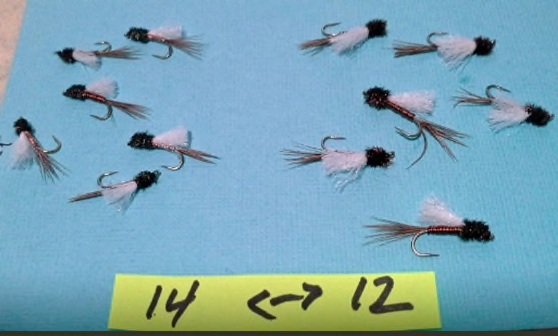

The Brassie Emerger Variant is a highly effective modern nymph and emerger pattern featured in the FFF Fly Pattern Encyclopedia. Originally designed by David Curneal, and expertly tied by Paul Fedeles, this fly blends the simplicity of a classic Brassie with subtle emerger characteristics that make it deadly on selective trout in clear, slow-moving water.
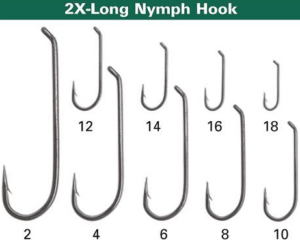
Tied on a Nymph 2x hook in sizes 12–18, the Brassie Emerger Variant is built to imitate an emerging mayfly or midge as it transitions from nymph to adult. Its slender profile and minimal materials help it sink naturally and drift realistically in the water column, making it ideal for technical fishing situations where presentation is critical.
Materials
- Hook:Nymph 2x (sizes 12–18)
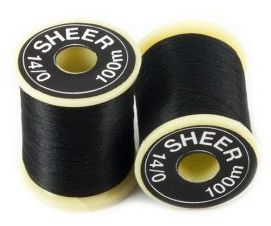
- Thread:Sheer 14/0 Black
- Tail:Pheasant Tail fibres
- Body:Copper wire
- Wing:White poly yarn
- Thorax:Peacock herl
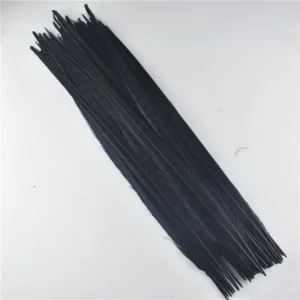
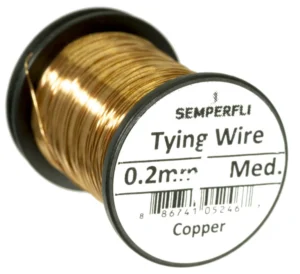
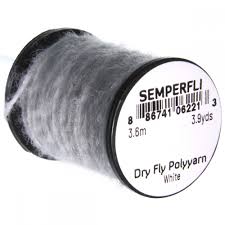
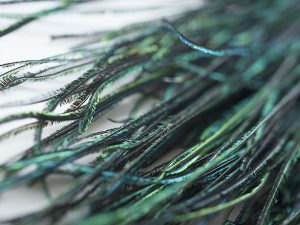
The pheasant tail fibres provide natural movement and segmentation, while the copper wire body adds durability and a subtle flash that mimics air bubbles trapped during emergence. This combination helps create a realistic impression of vulnerability; often triggering aggressive takes from feeding trout.
The thorax of peacock herl introduces a natural iridescence that enhances attraction without appearing unnatural. Meanwhile, the white poly yarn wing acts as a visible emerger indicator, sitting in or just above the surface film to imitate an emerging insect’s wing case or shuck.
Why the Brassie Emerger Variant Works
This pattern excels in situations where trout are keyed in on emergers rather than fully hatched insects. It performs particularly well in:
Its strength lies in its balance of realism and subtle attraction. The Brassie Emerger Variant is understated yet highly effective, making it a reliable choice for anglers who need a consistent producer in challenging conditions.
Tying Instructions
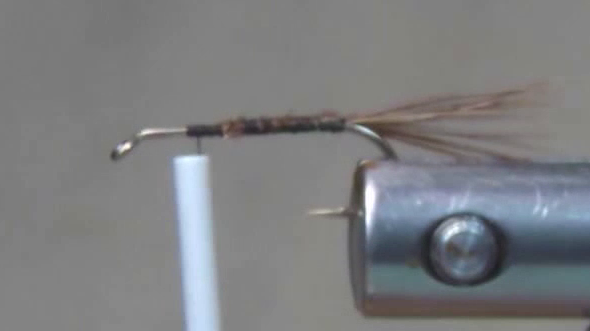
- Start by covering the entire hook shank with a smooth, even layer of thread to create a solid foundation for the materials.
- Tie in a small tail of pheasant tail fibres, ensuring it is aligned and proportioned to the hook length.
- Secure the copper wire at the same tie-in point.
- Wrap the copper wire forward in touching turns to form a slim, even body, finishing at the front of the hook.
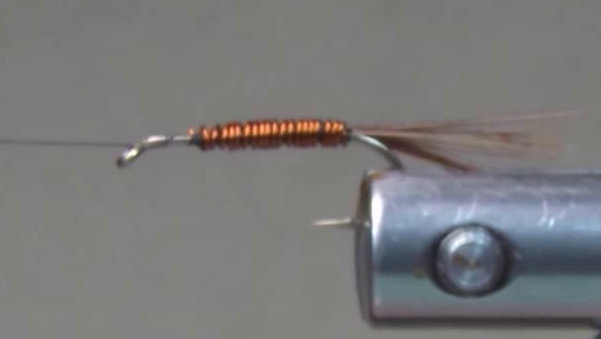
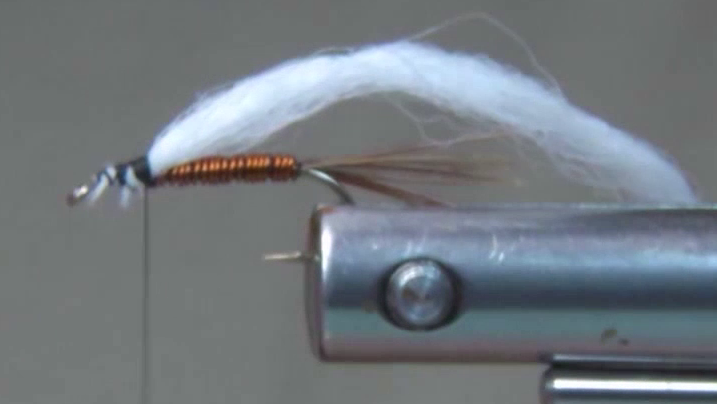
- Secure and trim any excess wire, then build a smooth thread base toward the thorax area.
- Tie in the white poly yarn wing on top of the hook shank, positioning it to sit upright or slightly angled as an emerger wing.
- Trim to length and gently brush out the fibres to create a more natural, translucent appearance.
- Tie in three strands of peacock herl and wrap them forward to form a full, iridescent thorax. Take care not to overbuild, maintaining a balanced, buggy profile.
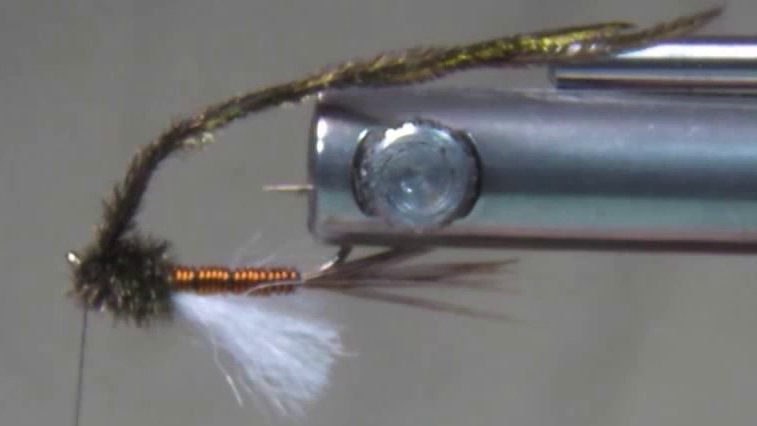
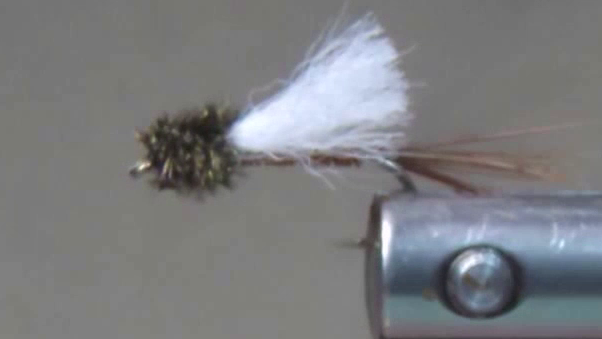
- Finish the fly by securing the materials, then whip finish and apply a half hitch if desired for added security.
- Trim thread and, if needed, add a small drop of head cement to lock everything in place.