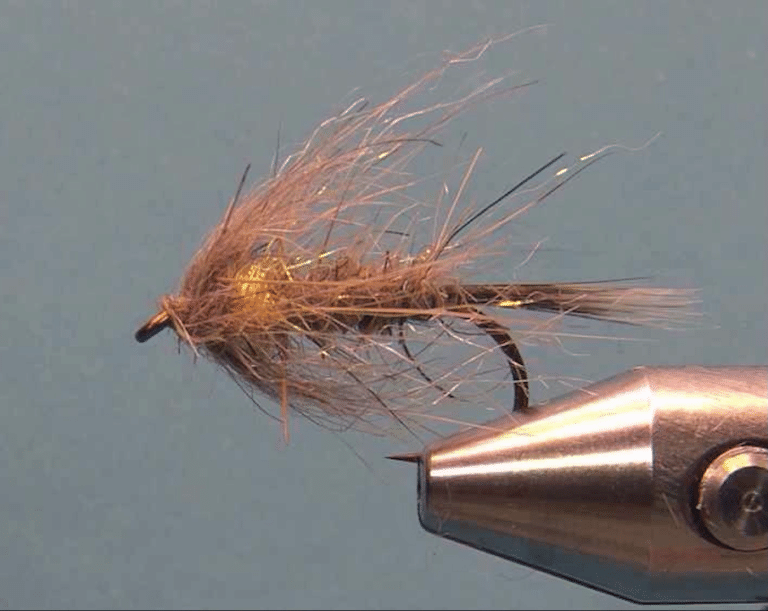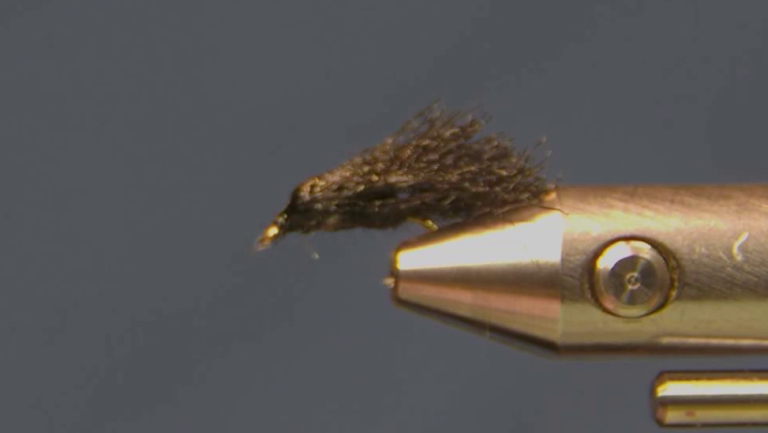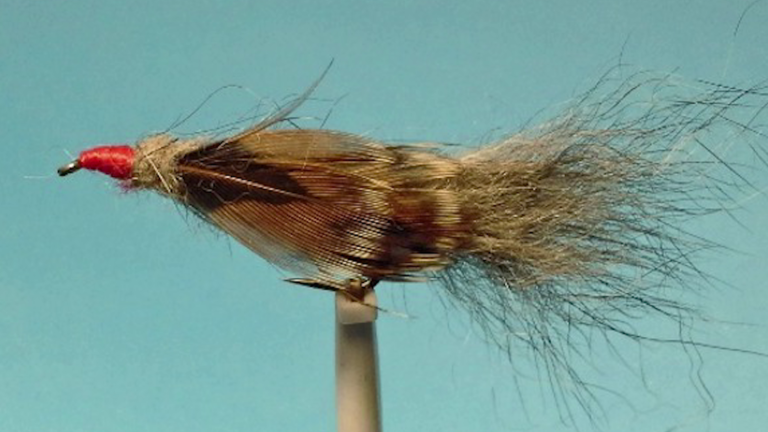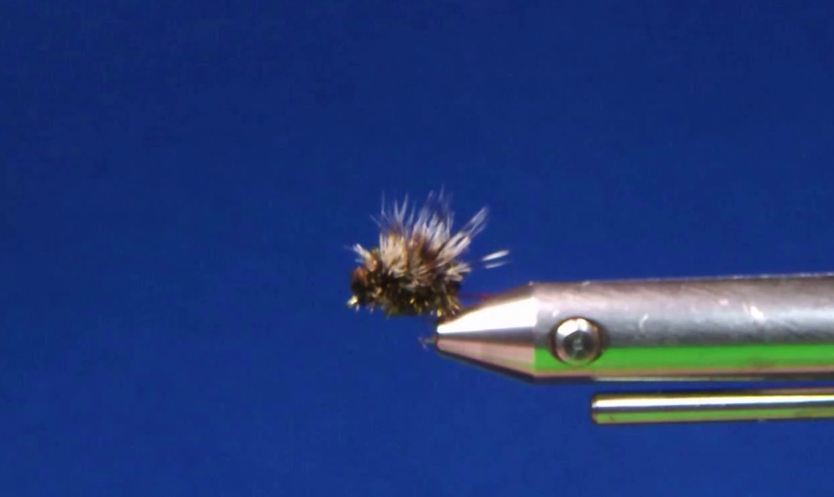

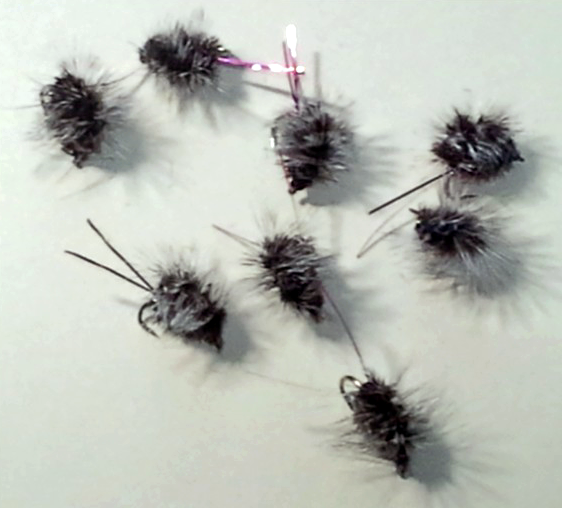
Shota’s Paraloop Griffith’s Gnat is an innovative variation of the classic Griffith’s Gnat dry fly, developed and popularised by fly tyer Shota Jokhadze of ShotaFlies. Designed to improve both visibility and presentation, this highly effective trout fly replaces the traditional palmered hackle with a paraloop hackle system, creating a more natural footprint on the water. The result is a low-riding dry fly that closely imitates midge clusters and emerging insects while remaining easy for anglers to track on the surface.
One of the key advantages of the Paraloop Griffith’s Gnat is its elevated sight post, which acts as a highly visible strike indicator without detracting from the fly’s realistic profile. The paraloop technique spreads the hackle horizontally around the body, allowing the fly to sit deeper in the surface film while maintaining excellent flotation. This realistic presentation makes the pattern particularly effective for selective trout feeding on midges, chironomids, and other small insects in rivers, streams, and stillwaters.
Fed’s variant adds an extra twist to the pattern by constructing the body separately before attaching it to the hook. This approach allows for a more consistent, finely tapered body and provides greater control over proportions during the tying process. Combined with the paraloop hackle and visible post, the detached-body method creates a refined fly that is both durable and highly effective on the water.
Materials
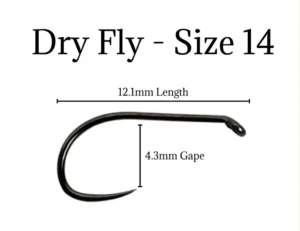
- Hook:Dry fly size 14
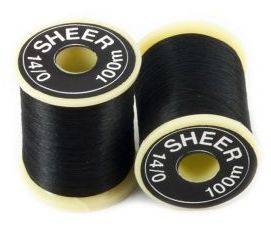
- Thread:Black
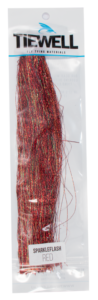
- Tail:Red Sparkle Flash
- Body:2mm foam, Peacock herl, Grizzly hackle
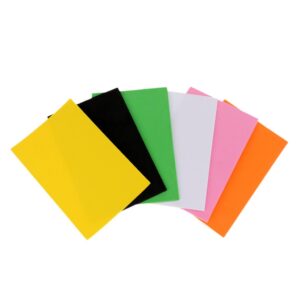
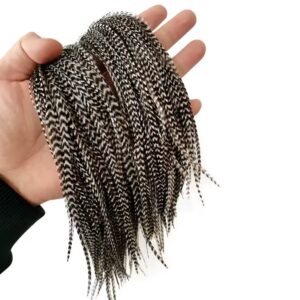
Tying Instructions
Preparing the Body
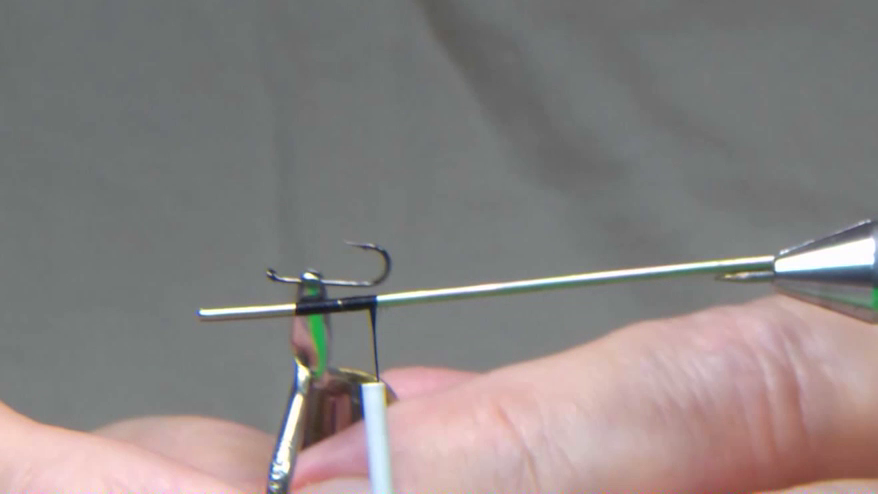
- Insert the tying post into the vise.
- Attach the thread and wrap it down the post to approximately the length of the hook shank.
- Tie in a strip of 2mm foam and continue wrapping the thread to the desired body length.
- Tie in the peacock herl.
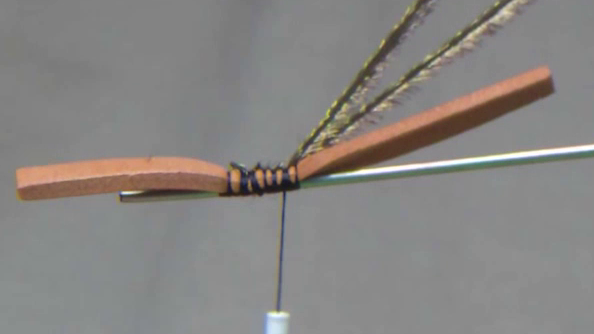
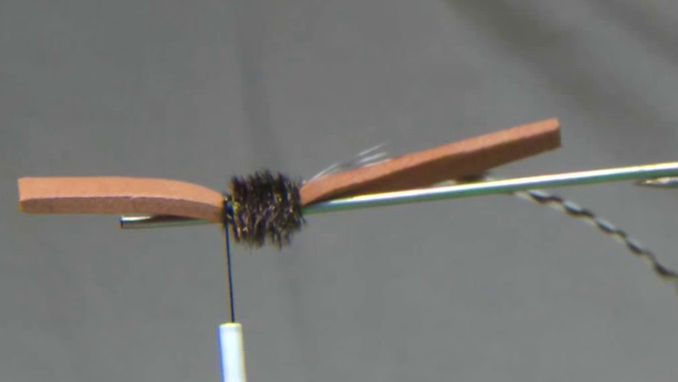
- Tie in the grizzly hackle.
- Wrap the peacock herl forward to form the body.
- Palmer the grizzly hackle through the body.
- Secure the hackle and whip finish (or use a series of half hitches).
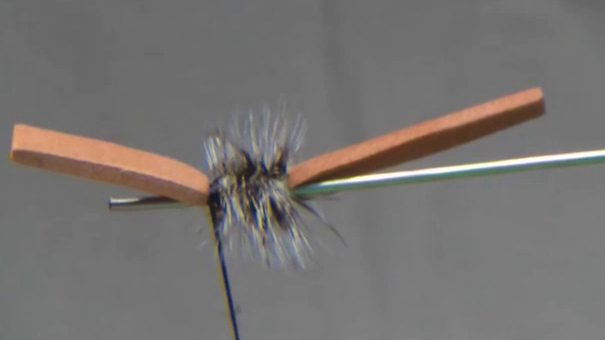
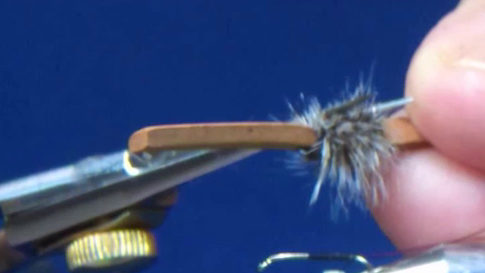
- Remove the finished body from the post.
- Trim any excess fibres from the underside of the body.
Attaching the Body to the Hook
- Secure the hook in the vise.
- Start the thread and lay a thread base along the hook shank.
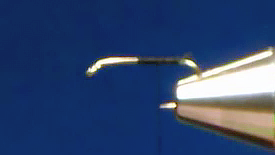
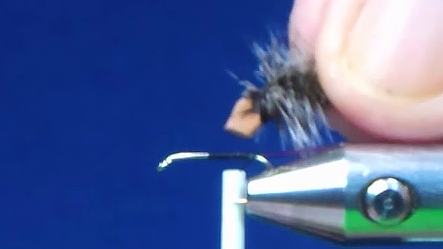
- Tie in a short length of Sparkle Flash at the rear of the hook and trim to length.
- Trim one end of the foam body to a tapered point.
- Position the body on top of the hook shank and secure it by wrapping thread around the tapered foam point.
- Tie in two strands of peacock herl at the head of the fly.
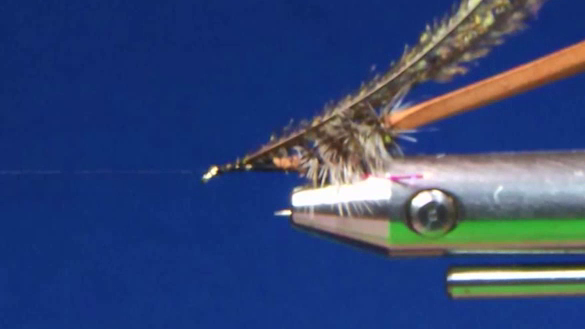
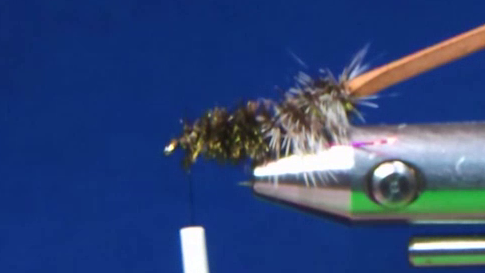
- Wrap the peacock herl rearward and then forward around the exposed hook shank to create a thorax.
- Secure the herl and trim away the excess.
- Fold the remaining foam forward over the thorax and head.
- Secure the foam behind the eye with several firm thread wraps.
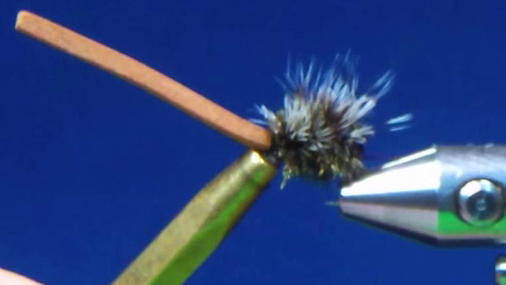
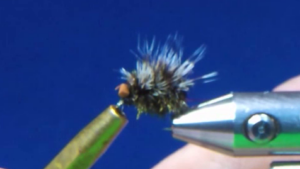
- Trim the excess foam, leaving a small sight post.
- Finish the fly with a whip finish or several half hitches.
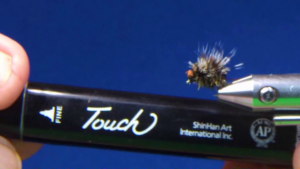
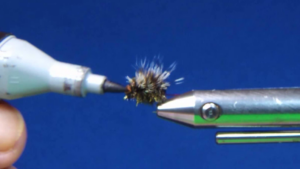
- Colour the tip of the foam sight post with a black marker for added visibility.