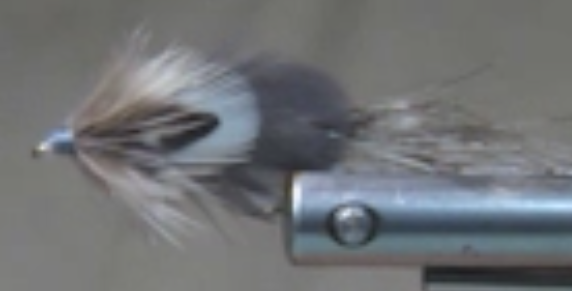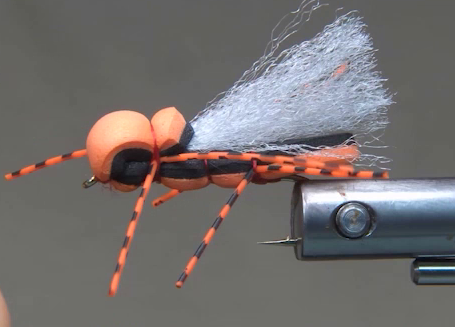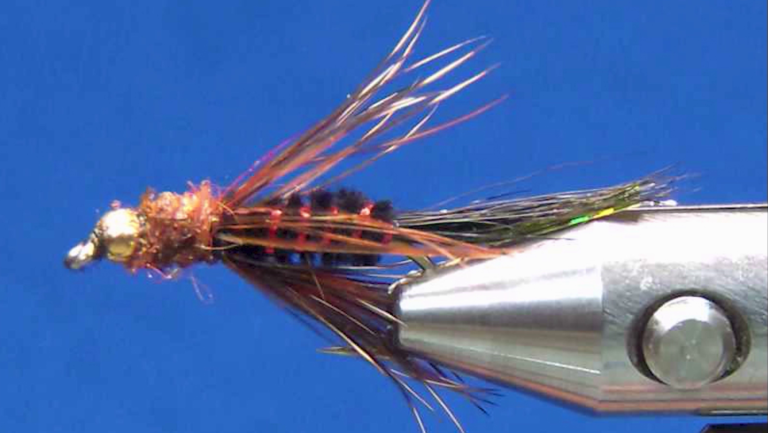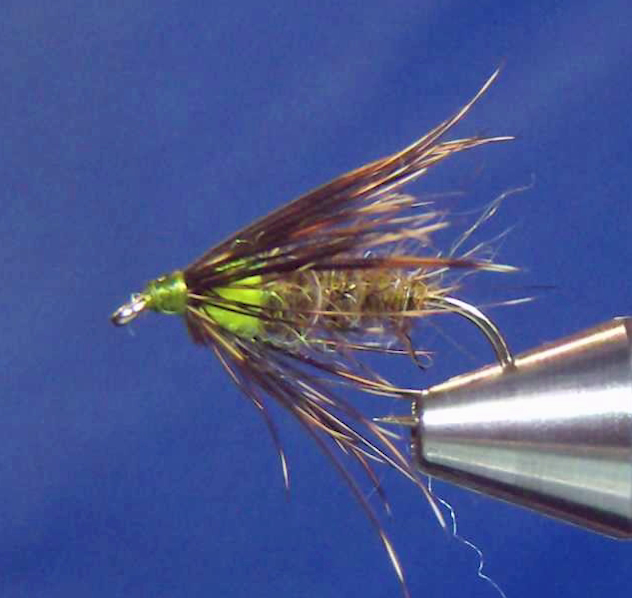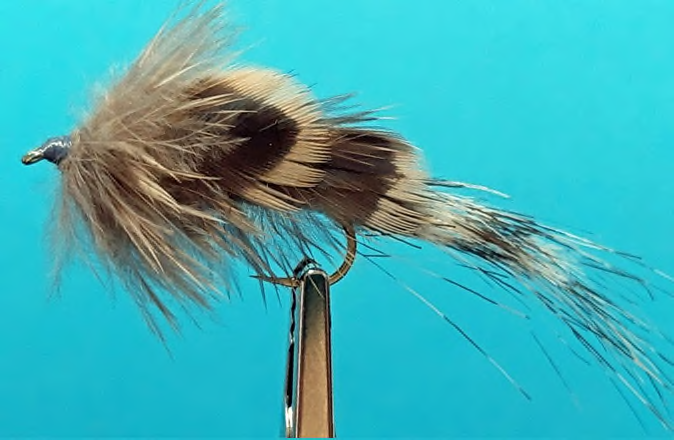

Fed’s Wonga Pigeon Minnow is a highly effective baitfish imitation that showcases the natural movement and mottled colouring of Wonga pigeon feathers. Designed to create a lifelike profile in the water, Fed’s Wonga Pigeon Minnow combines a fake zebra wool patch tail with four carefully positioned Wonga pigeon feathers that form the body wings. A Wonga pigeon soft-hackle collar completes the pattern, adding subtle movement around the head and enhancing the fly’s ability to attract predatory fish.
The success of Fed’s Wonga Pigeon Minnow lies in its natural, untidy appearance. When tying this pattern, do not strip the fuzzy fibres from the base of the feathers. Leaving the fuzz intact creates a fuller silhouette and increases movement in the water. The four Wonga pigeon feathers are tied along both sides of the hook shank and should cover the entire length of the fly, producing a balanced minnow profile from tail to head.
What’s a Wonga Pidgeon?
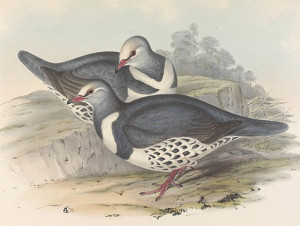
The Wonga Pigeon is a large, ground-dwelling native Australian pigeon renowned for its plump breast, handsome plumage, and unforgettable call. Its deep, repetitive coo can echo through the bush for hours on end, testing the patience of anyone camped nearby. When startled, the Wonga erupts into flight with a series of loud wing claps that can be as surprising as a shotgun blast.
In Australia, Wonga pigeon feathers are prized by some fly tiers because of their soft texture, natural mottled colouring, and excellent movement in the water. The feathers can be used for wings, collars, tails, and soft-hackle applications, particularly in streamer and baitfish patterns such as Fed’s Wonga Pigeon Minnow. The fluffy bases of the feathers create a lifelike, mobile profile that many synthetic materials struggle to replicate.
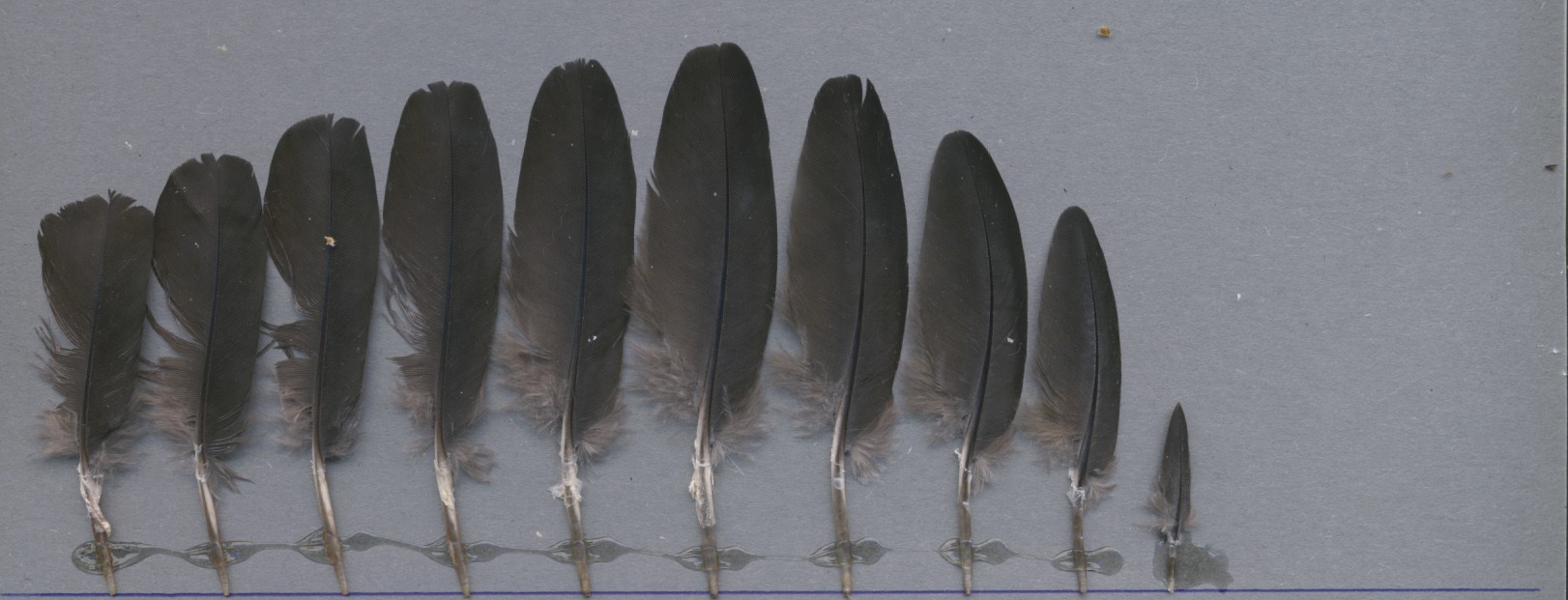
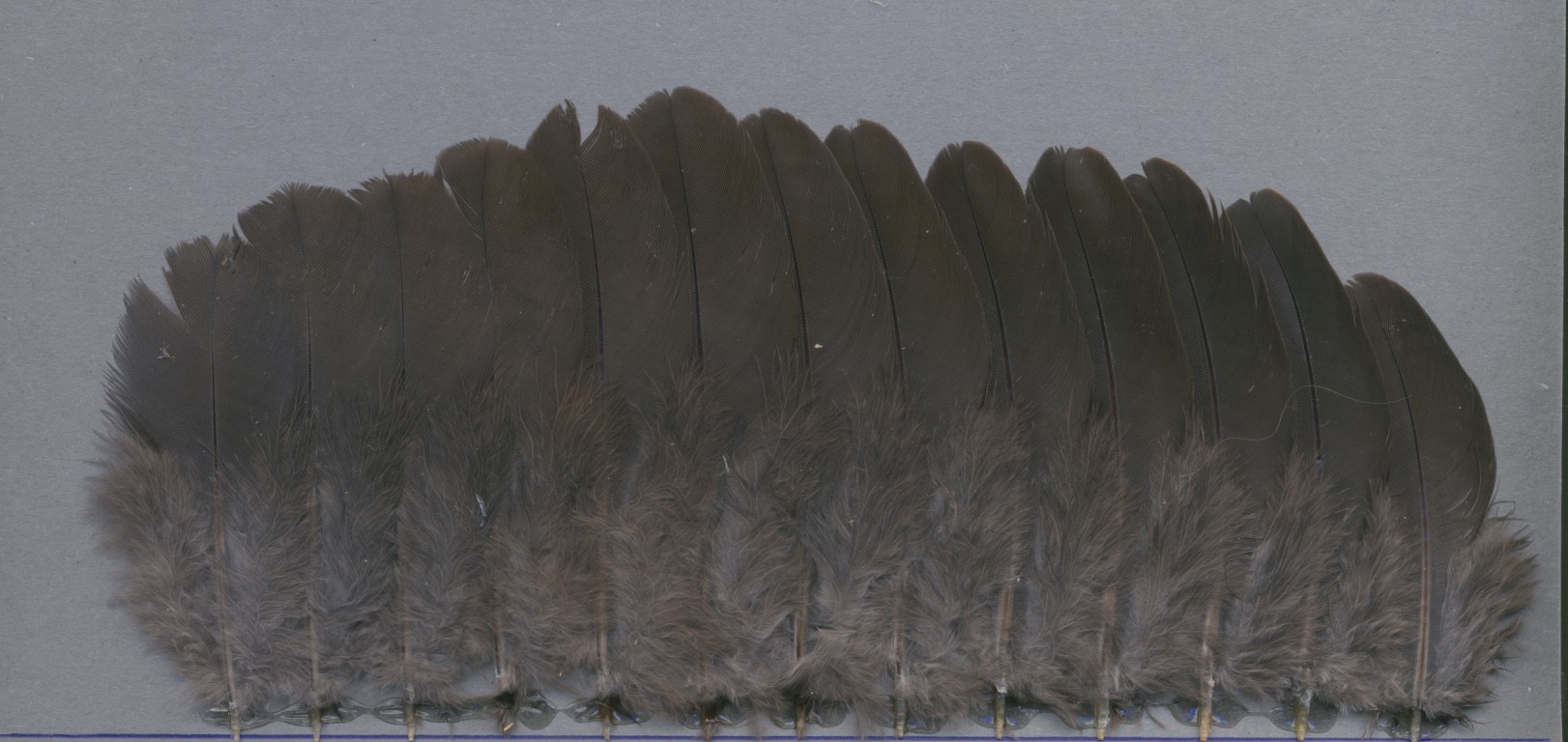
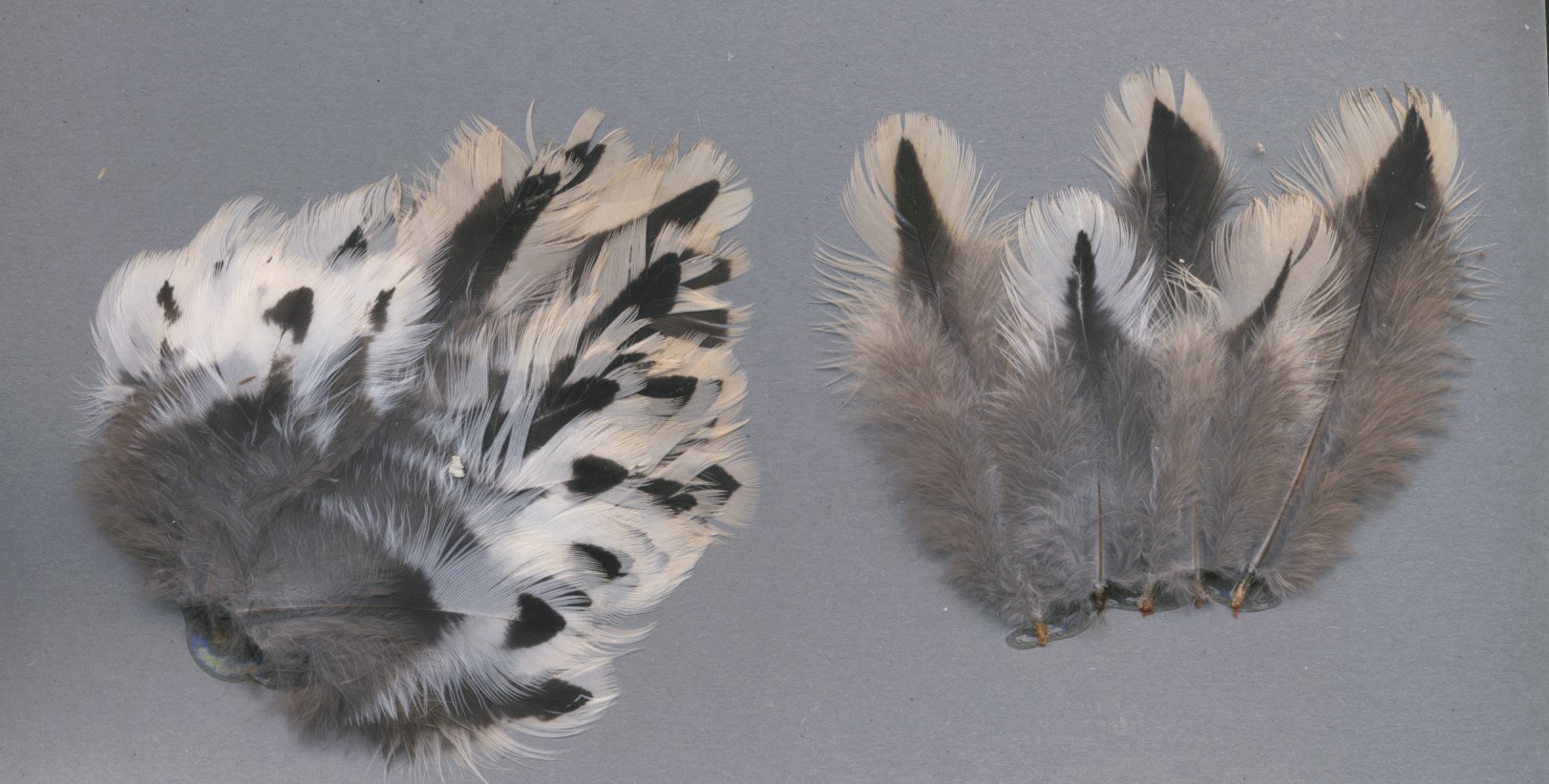
However, the legality of possessing and using Wonga pigeon feathers depends on the state or territory and the source of the feathers. Because the Wonga pigeon is a protected native species, it is generally illegal to hunt, kill, or collect parts from the bird without the appropriate permits. In some jurisdictions, feathers that have been lawfully obtained – such as naturally shed feathers collected under permit, or feathers from birds held by licensed wildlife carers, zoos, or aviculturists – may be possessed legally. Regulations vary considerably between states, and wildlife laws can change over time.
For anyone wishing to use Wonga pigeon feathers in fly tying, the safest approach is to check with the relevant wildlife authority in their state or territory before acquiring or using the material. Fly tiers should be able to demonstrate that any native bird feathers in their possession were obtained through a lawful source. This is particularly important if the flies are being sold commercially rather than tied for personal use.
Materials
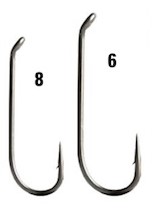
- Hook:3x size 6 or 8.
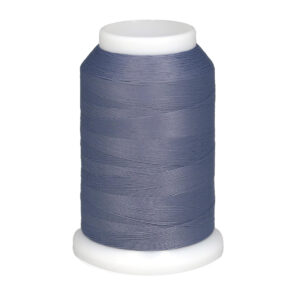
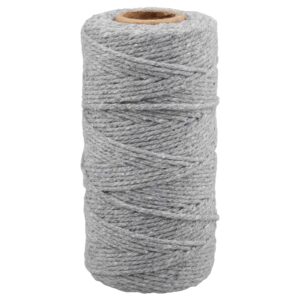
- Thread:Gray woolly nylon.
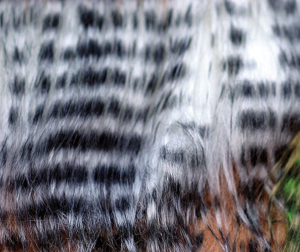
- Tail:Fake zebra wool pitch fibres.
- Body:40 cm strip of gray twine.
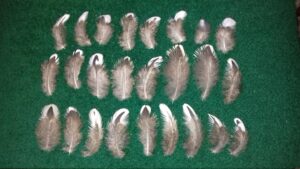
- Body:Wings 4 Wonga Pigeon feathers.
- Collar:Wonga pigeon tied soft hackle.
Tying Instructions
- Start with a weighted hook if additional sink is required.
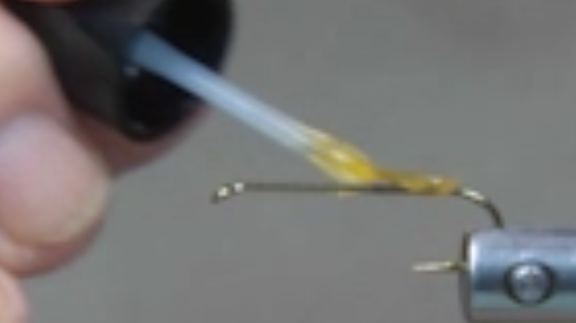
- Apply a small dab of Sally Hansen’s Hard as Nails to the hook to secure the thread base.
- Lay down an even thread foundation along the shank.
- Tie in the tail using a strip of zebra wool patch at the rear of the hook.
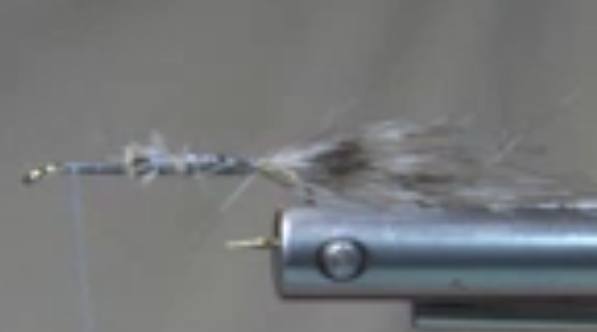
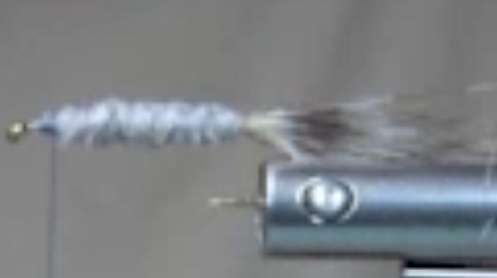
- Secure the twine strip behind the hook eye, then wrap the body material forward, working from back to front until you reach the eye.
- Tie off and secure.
- Return the thread to approximately the midpoint of the hook shank.
- Tie in the first pair of Wonga pigeon feathers, positioning them evenly on each side of the hook.
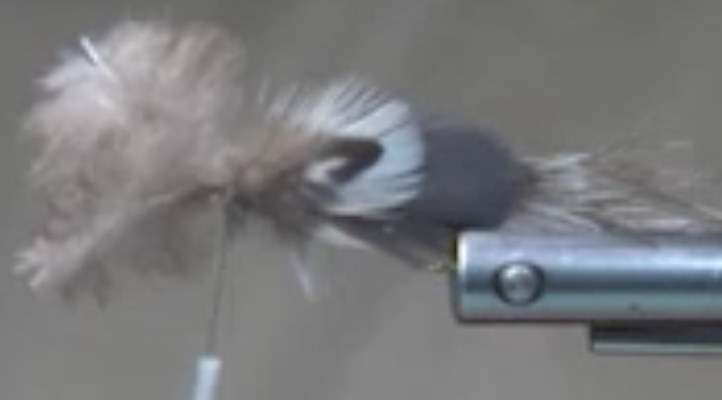
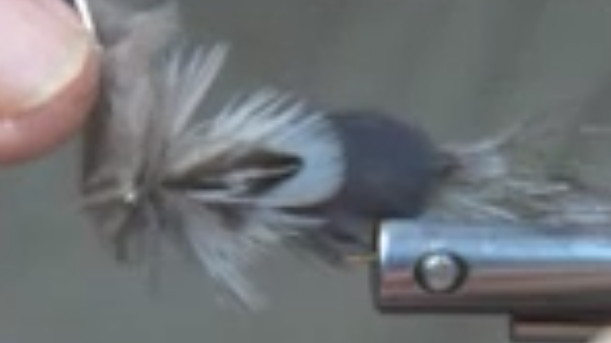
- Advance the thread forward again to just behind the eye, then tie in the second pair of Wonga pigeon feathers, maintaining symmetry and full-length coverage along the body.
- Tie in the Wonga pigeon soft hackle by the feather tips and take two to three turns to form a collar.
- Finish the fly with a secure whip finish.
- Finally, rough up and animate the fly’s fibres by gently steaming under hot water or using a hair dryer. This helps set the profile and enhances the natural, buggy movement of the materials.