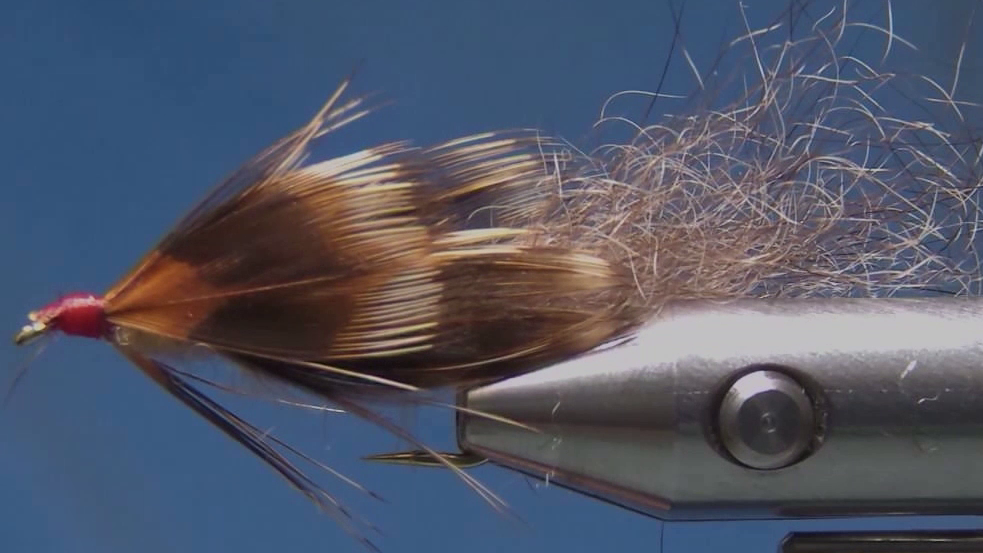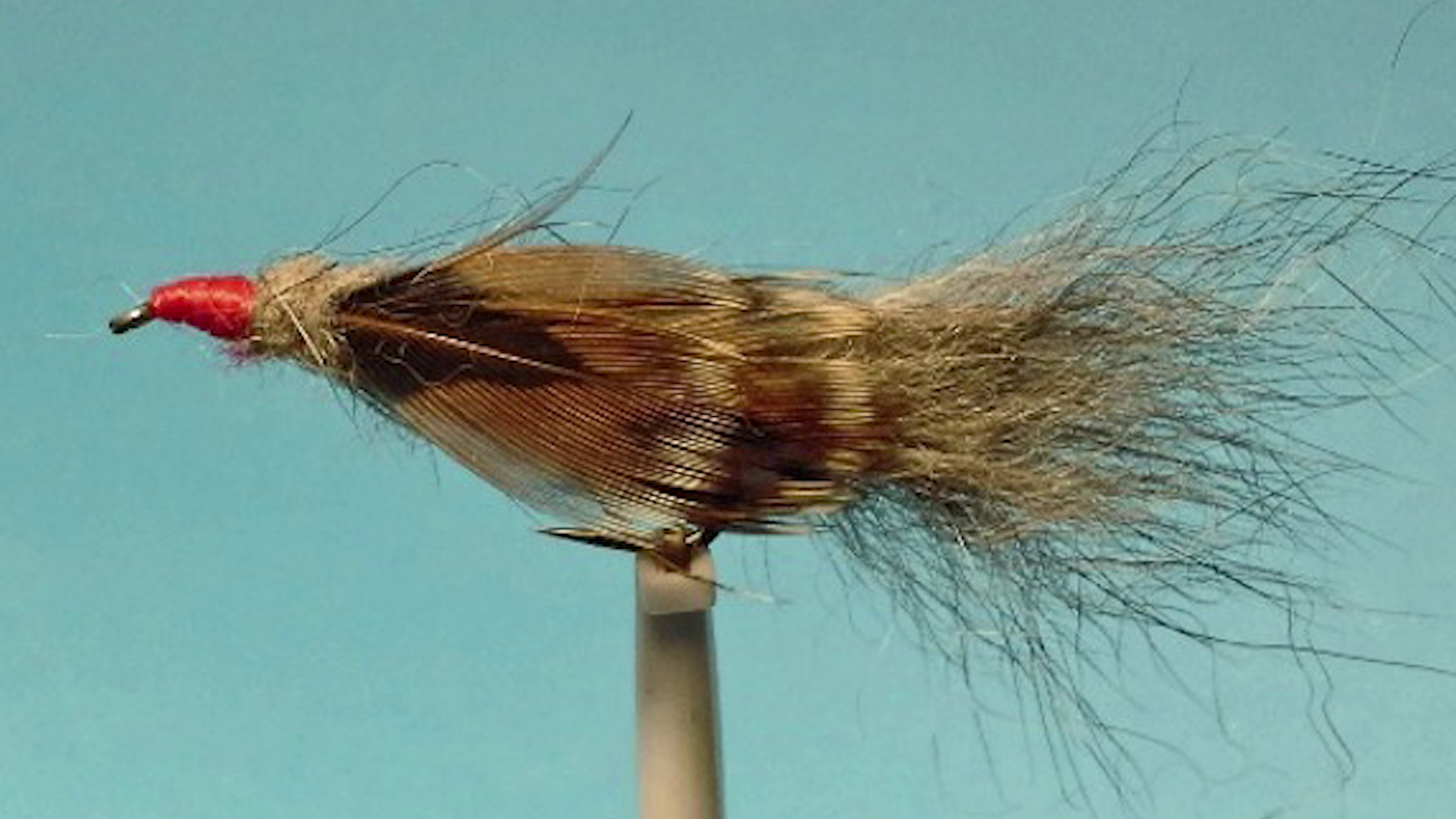

The Possum Simpson is Fed’s Australian take on the classic Mrs Simpson, a well-known streamer pattern that has been used successfully for trout and other predatory fish.
For the second fly in the Dunmore Six, Fed has given the traditional pattern an Australian flavour by replacing the original materials with possum fur. The result is a simple, durable streamer with plenty of movement in the water and a distinctly Australian connection.
As with the original Mrs Simpson, the Possum Simpson is intended to imitate a small baitfish or other prey item. Fished with a retrieve, the soft possum fur gives the fly plenty of life, while the dark feather wings provide a strong silhouette.
Fishing the Possum Simpson
Fed keeps his approach simple:
“When I fish it, I use an ungainly Brady leader that sinks a minimum of four feet, with 6-pound 400 tippet. Strip. Strip. Pause – and make sure you fish your pickup.”
The Possum Simpson is intended to be fished as a streamer, with the fly getting down into the water column before being retrieved with short, deliberate strips. The Strip. Strip. Pause. retrieve gives the fly plenty of movement while allowing it to drop between strips.
And don’t neglect the pickup. Trout will often follow the fly right back to the angler, so keep fishing the fly all the way through the retrieve rather than lifting it out too early.
As Fed puts it, the Possum Simpson isn’t necessarily going to win any prizes sitting in the fly box:
Dry: You won’t win any prizes.
Wet: You’ll catch fish.
Materials
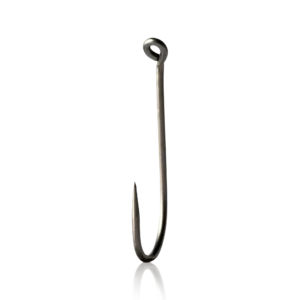
- Hook:3X long streamer, size 10
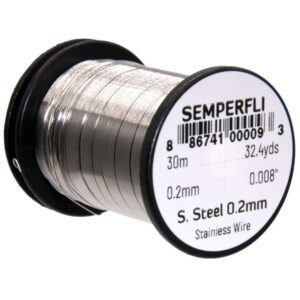
- Weight:6 turns of .20 lead-free wire
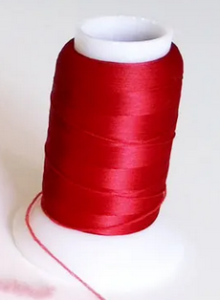
- Thread:Red Woolly Nylon
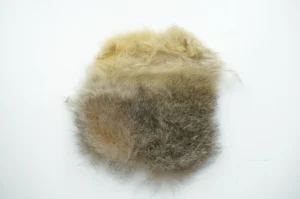
- Tail:Possum fur
- Body:Possum fur
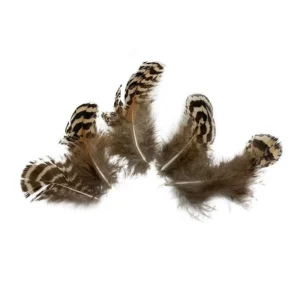
- Wings:Four dark feathers
- Head:Thread
Preparation Before You Tie
There are a couple of jobs worth doing before putting the thread on the hook.
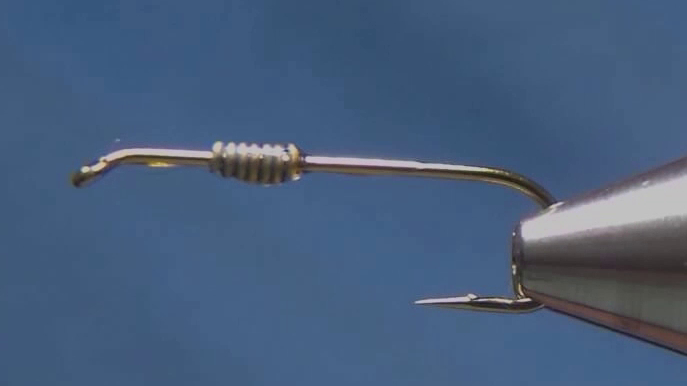
Crushing the barbs helps the wire sit securely and makes it easier to create a neat, even body later.
With the feathers prepared and the hook weighted, you’re ready to start tying.
Tying Instructions
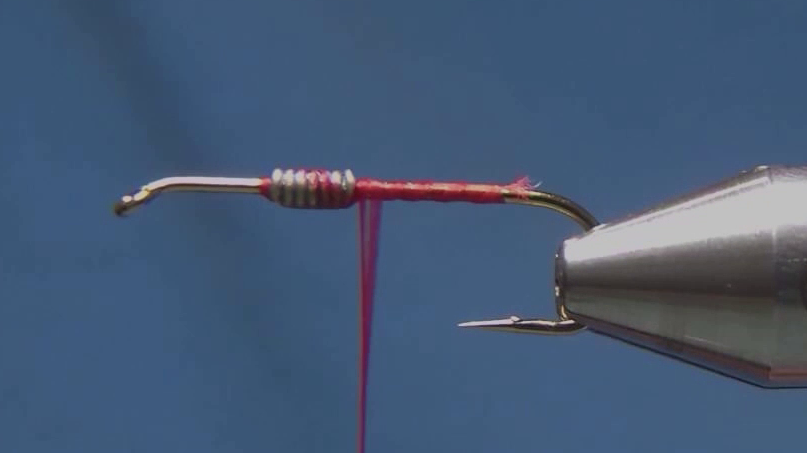
- Coat the hook shank with a thin layer of Sally Hansen’s Hard as Nails. This provides a good foundation and helps the materials stay securely in place.
- Secure the six turns of .20 lead-free wire at approximately the two-thirds point of the hook shank. Cover the shank with a layer of red Woolly Nylon, working from the bend towards the eye.
- Cut a long section of possum fur from the base of the pelt. Pull out some of the shorter, downy base fur and set it aside to use as dubbing.
- Use the longer possum fibres to form the tail. Tie the fur in at the rear of the hook, then continue securing the fibres forward along the shank.
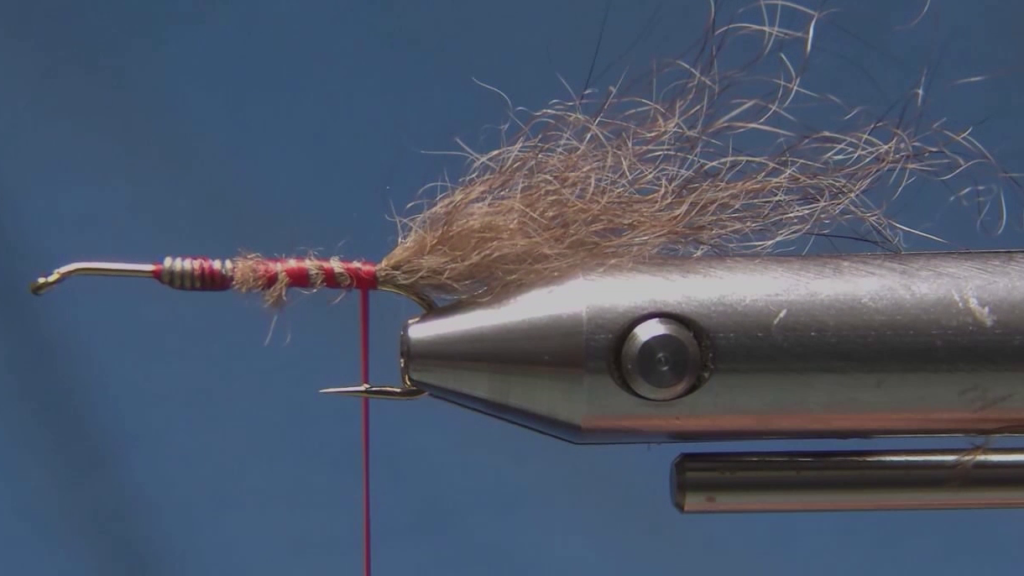
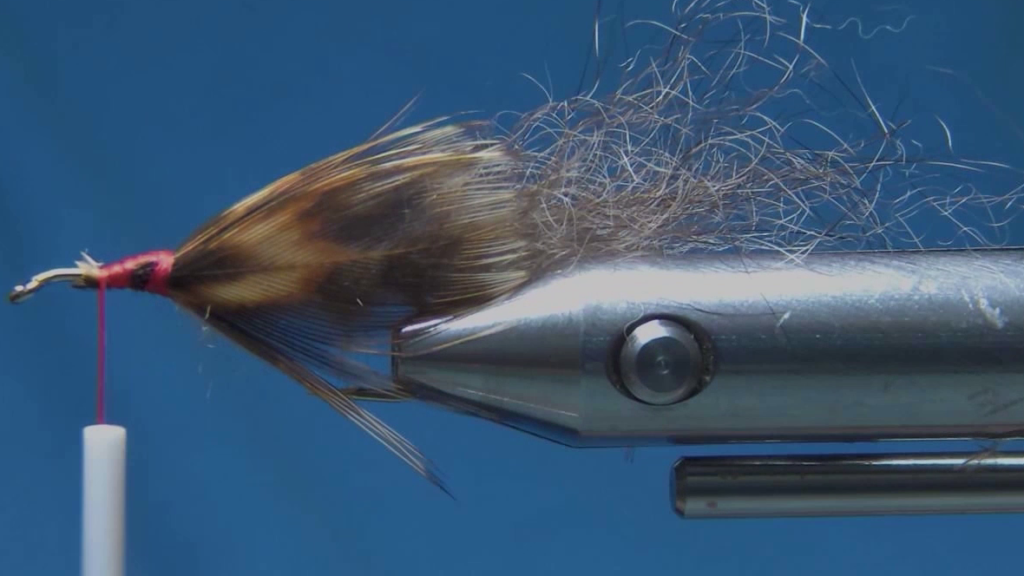
- Use the discarded possum underfur to dub the body, working forward from the tail to the lead-free wire.
- At the halfway point along the shank, tie in two dark feathers—one on each side of the hook.
Adjust their length so the tips extend just beyond the bend of the hook.
- Use the feather stems to draw the feathers forward and bind them securely to the hook shank. Trim away the excess stems.
- Use the remaining possum fur to dub the body forward to the weighted section, creating an even transition into the front of the fly.
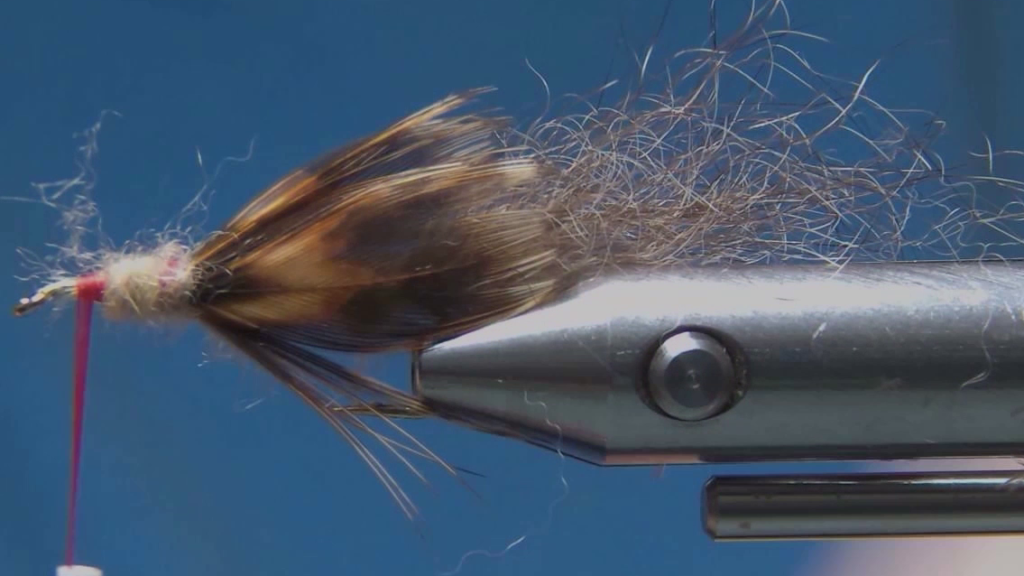
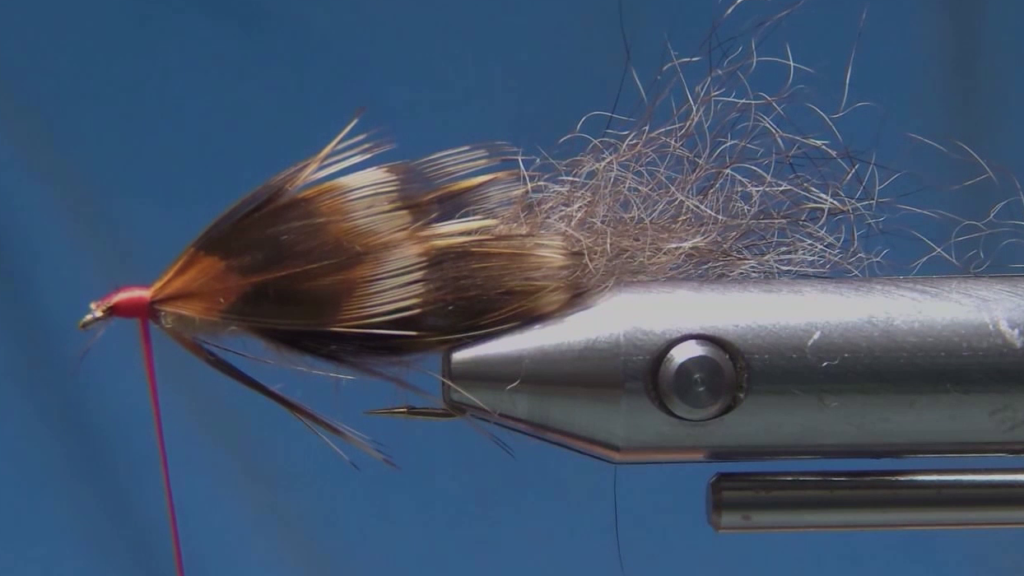
- Tie in the remaining two dark feathers approximately one eye-length behind the hook eye. Adjust their length so the tips sit approximately in line with the hook barb.
- If the feather stems leave too much bare space at the front of the fly, add a small nub of possum fur to form a collar and help fill the gap.
- Build a neat thread head with the red Woolly Nylon, then whip finish and trim the thread. Add a small drop of head cement or other suitable adhesive to secure the finish.
- Finally, train the feathers into their desired shape. A hair dryer can be used to gently shape them, or the fly can be briefly exposed to hot tap water.