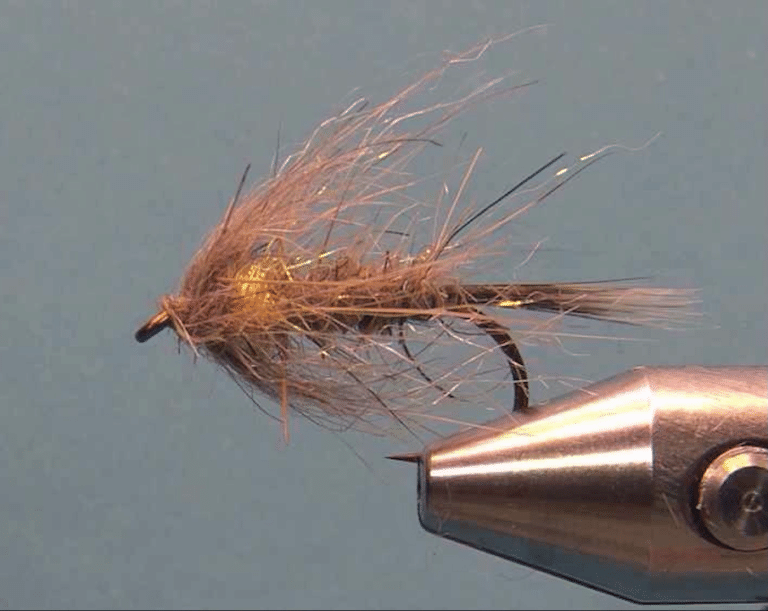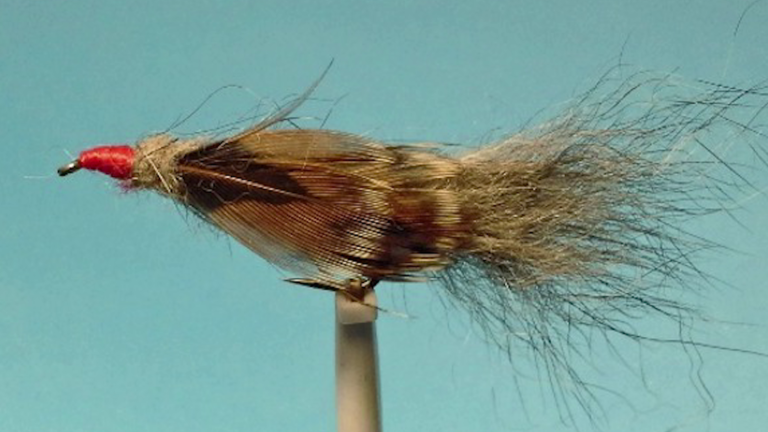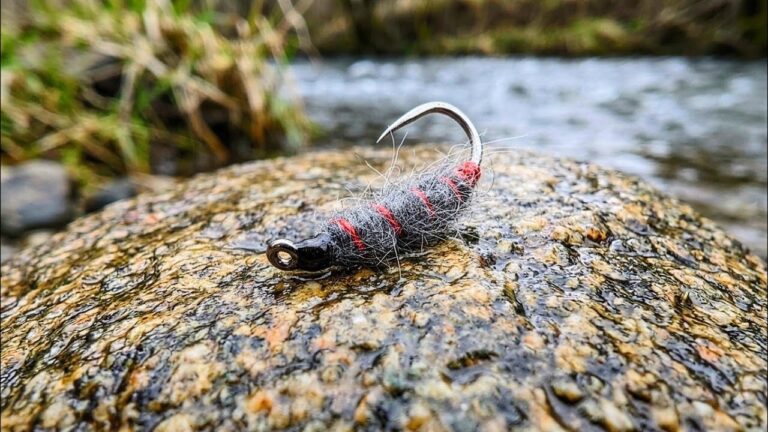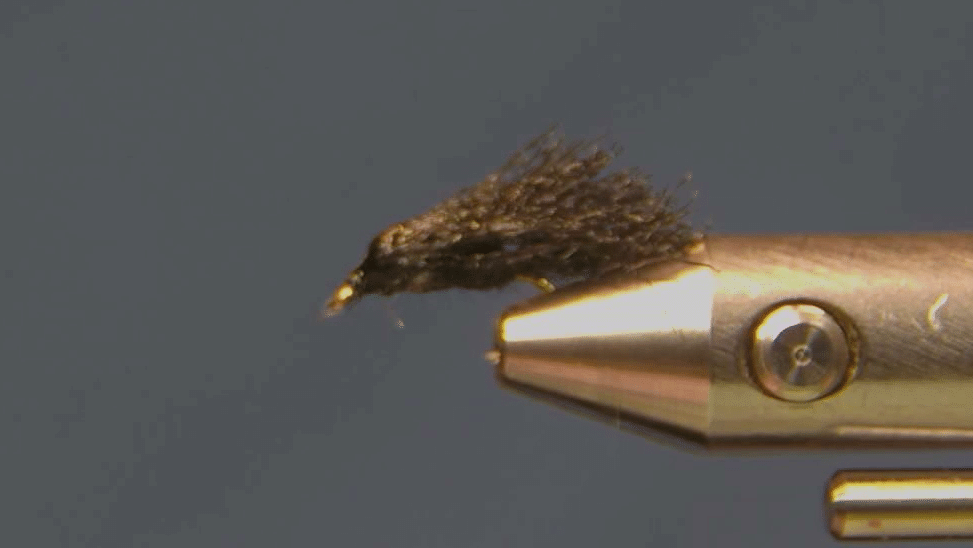

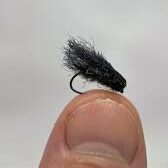
Small, black and deliberately sparse, Fed’s Black Midge Caddis Variant is a great little dry fly for those days when trout are feeding on tiny insects and refusing anything that looks too substantial.
This pattern is Fed’s variant of the Black Midge Caddis by @Fliesbyaspeen. The original fly combines a slim profile with a low-riding presentation, making it particularly interesting for targeting picky trout feeding close to the surface.
A Small Fly for Selective Trout
This is not your typical caddis pattern.
Rather than imitating a large adult caddis, the Black Midge Caddis has a slim, understated silhouette that can suggest a tiny emerging insect, midge or small caddis caught in and around the surface film.
Before trout begin taking adult caddis from the surface, they will often feed on emerging insects and pupae just beneath the film. When the fish are focused on these small food items, a larger, more heavily dressed caddis pattern can simply look wrong.
That’s where a fly like this comes into its own.
The combination of a small hook, black thread and sparse dubbing creates a compact profile without adding unnecessary bulk. The black Congo Plus provides the tail and wing, while the mixed dubbing body adds just enough texture to give the fly a subtle, buggy appearance.
Fed’s Variant
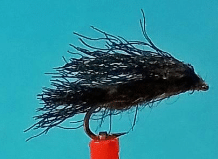
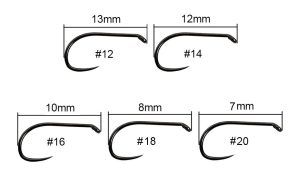
Fed has kept the pattern remarkably simple, tying it on size 16, 18 and 20 hooks with fine 14/0 black thread.
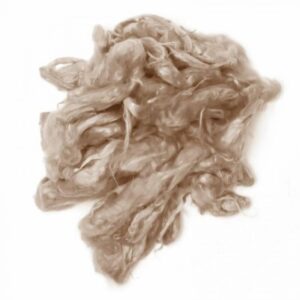
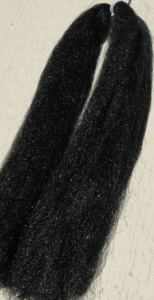
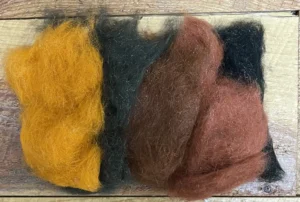
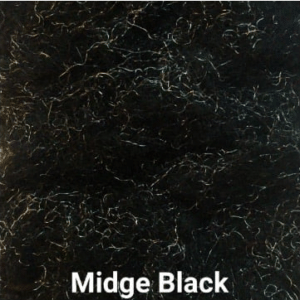
The body is a 40:60 blend of Adams Kapok and Black Zelon dubbing, producing a dark, slightly textured body that complements the sparse profile. The FTD Congo Plus serves double duty as both tail and wing, keeping the fly uncluttered and quick to tie.
A small amount of UV resin forms the head and gives the finished fly a neat, durable finish.
The result is a tiny, versatile dry fly that is easy to carry in several sizes and worth trying whenever trout are becoming selective.
Fed ties the pattern on a size 16 hook in the video, but notes that it fishes better when tied smaller, recommending a size 20 for fishing.
When to Fish It
The Black Midge Caddis Variant is worth reaching for when:
As with any small dry fly, presentation is critical. Fine tippet, a drag-free drift and an accurate cast will often make more difference than changing from one tiny pattern to another.
Materials
- Hook:Size 16, 18 or 20
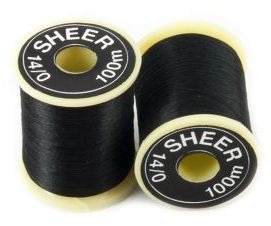
- Thread:Sheer 14/0, black
- Tail/Wing:FTD Congo Plus, black
- Body:Adams Kapok / Black Zelon dubbing, 40:60
- Head:UV resin
Tying Instructions
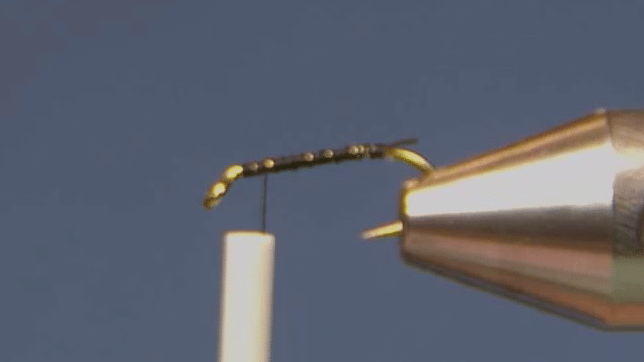
- Crimp the barb and secure the hook firmly in the vice.
- Start the thread behind the eye and lay down an even thread base to the bend.
- Tie in a strand of black Congo Plus at the eye, extending beyond the eye.
- Wrap the thread back to the bend, securing the Congo Plus along the hook shank.
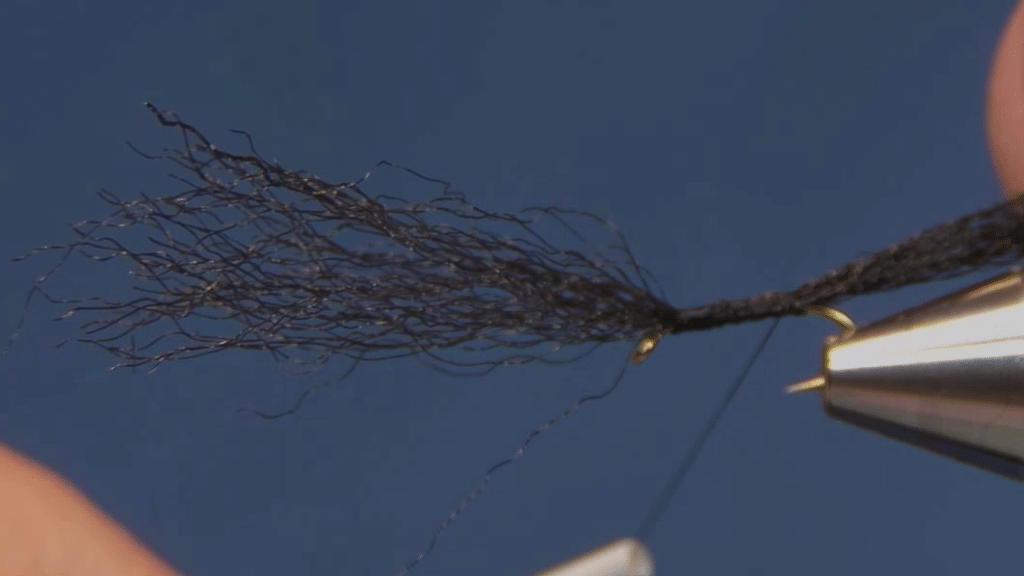
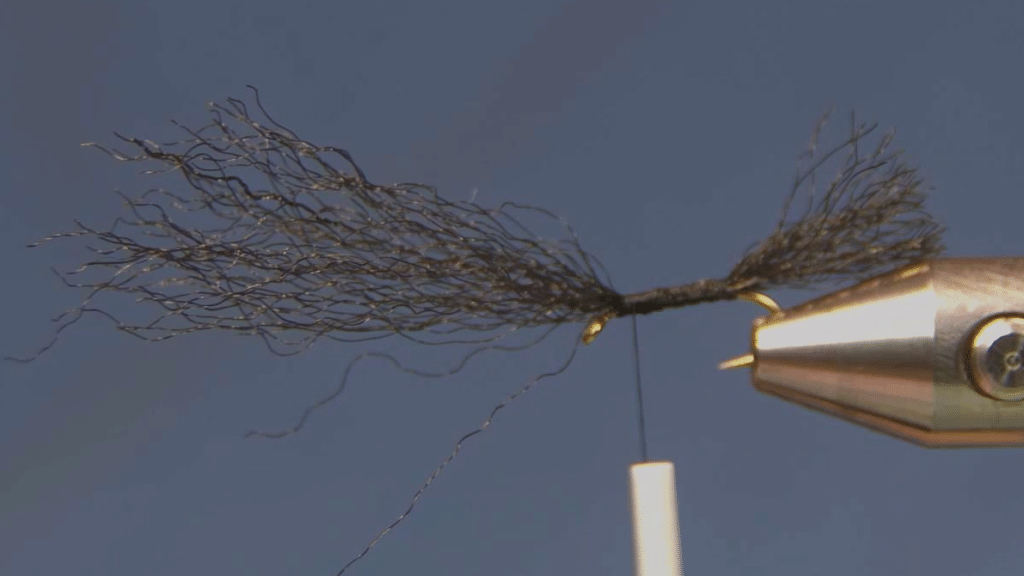
- Trim the Congo Plus to form a short, neat tail.
- Wrap the thread forward to the eye in preparation for tying in the wing.
- Tie in a second strand of Congo Plus just behind the eye.
- Trim the Congo Plus just beyond the eye, leaving enough material to form the wing.
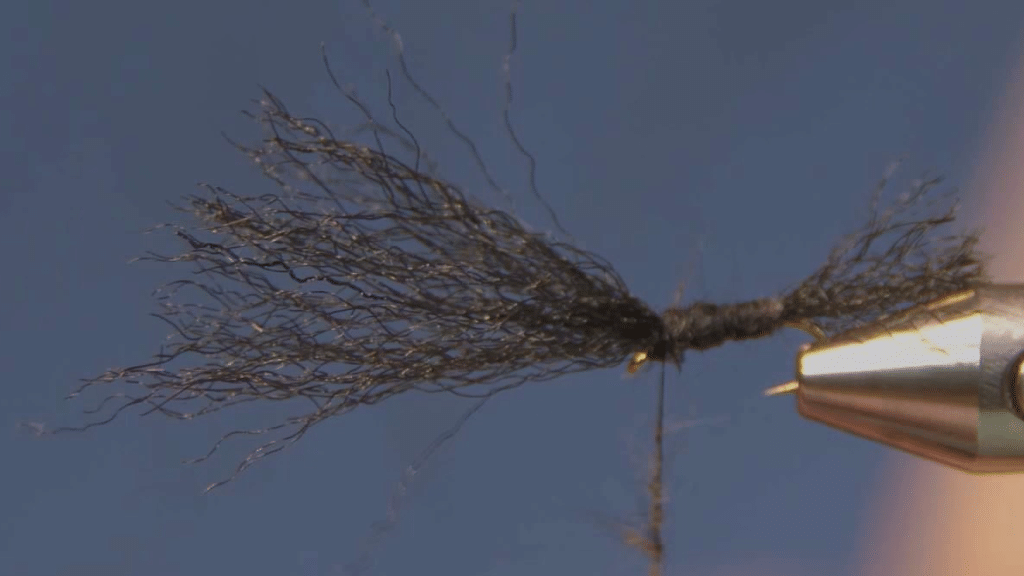
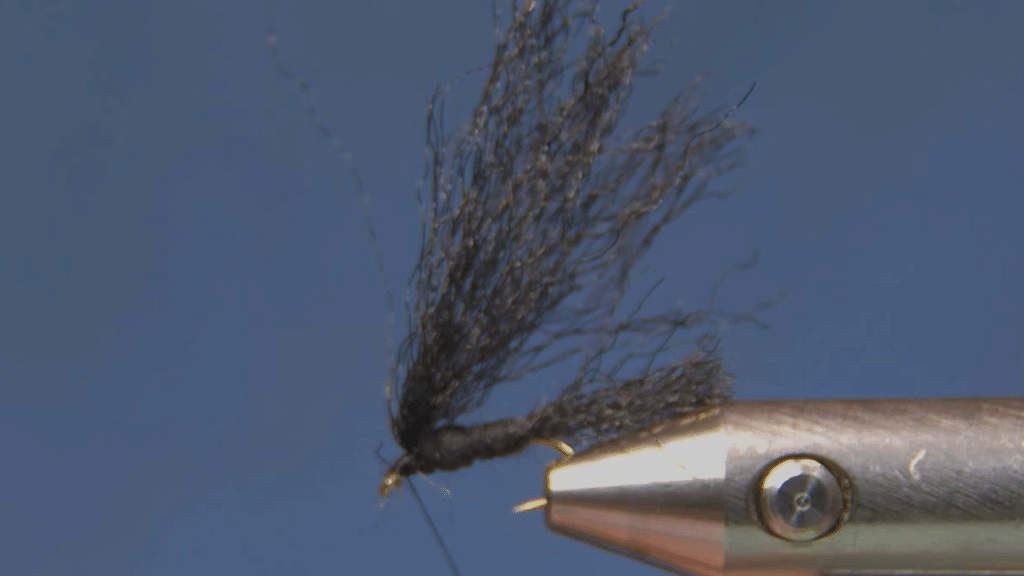
- Wrap the thread back to the barb.
- Apply the kapok dubbing mix to the thread and dub a slim, even body towards the eye.
- Fold the wing material over the body and build a small thread dam in front of it to help position the wing.
- Whip finish and cut the thread.
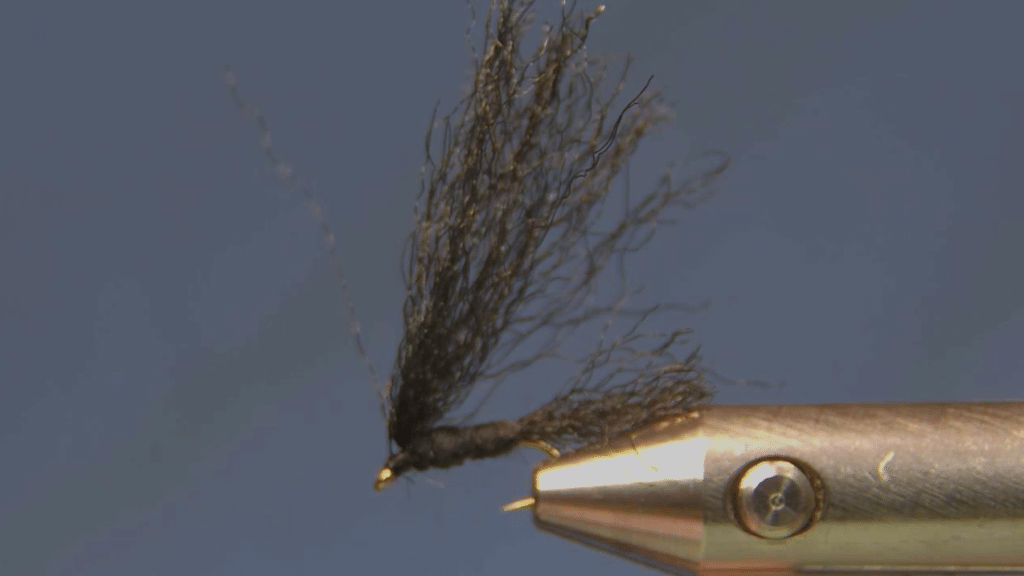
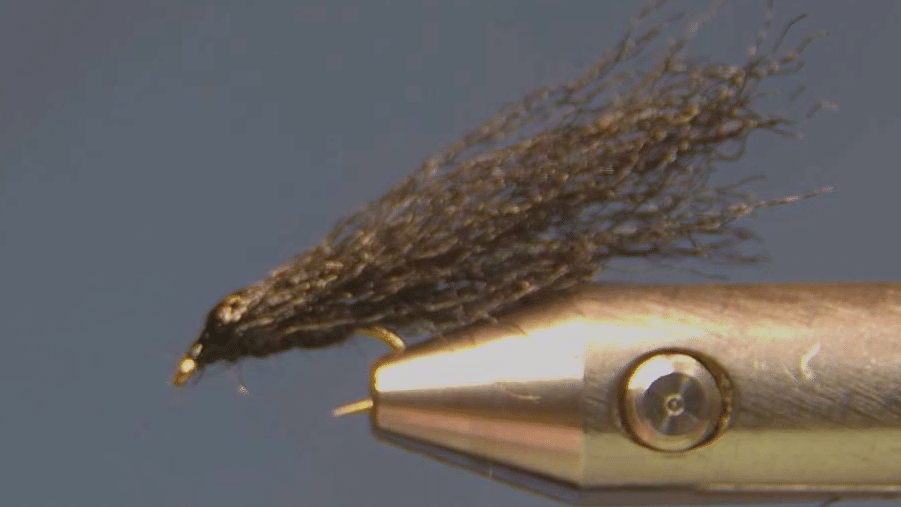
- Fold the wing back over the top of the fly and pinch it firmly with your fingernail to create a defined crease.
- Hold the wing firmly in position and coat the front third with UV resin. Cure thoroughly.
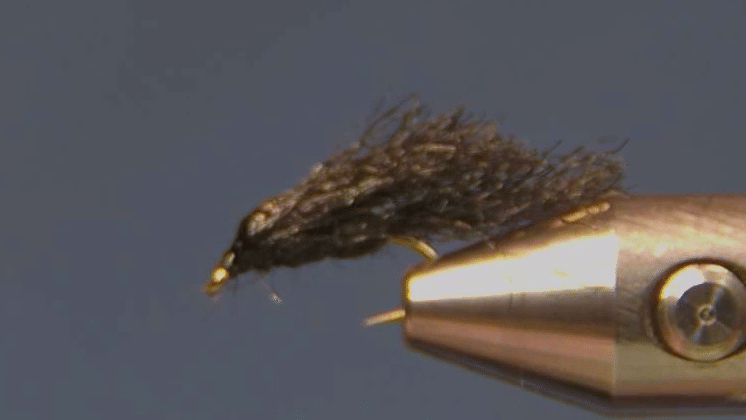
- Trim the wing and tail to approximately the length of the hook gap.