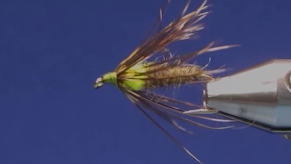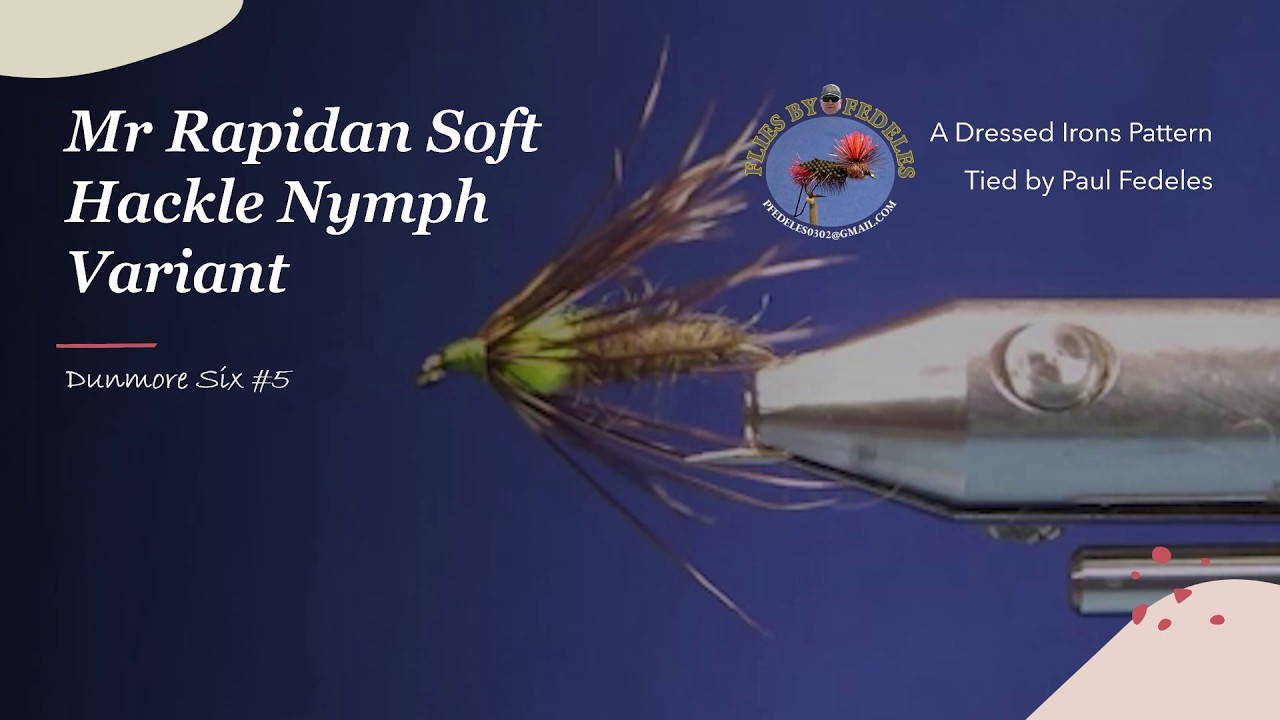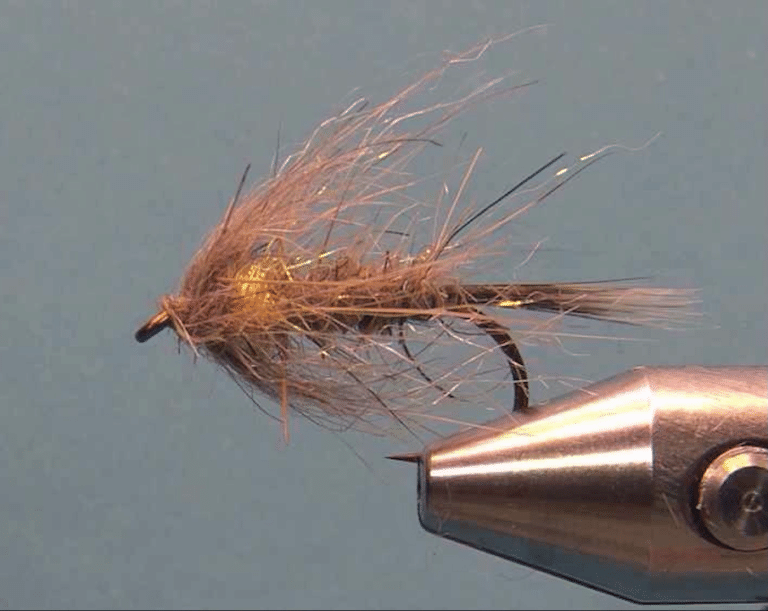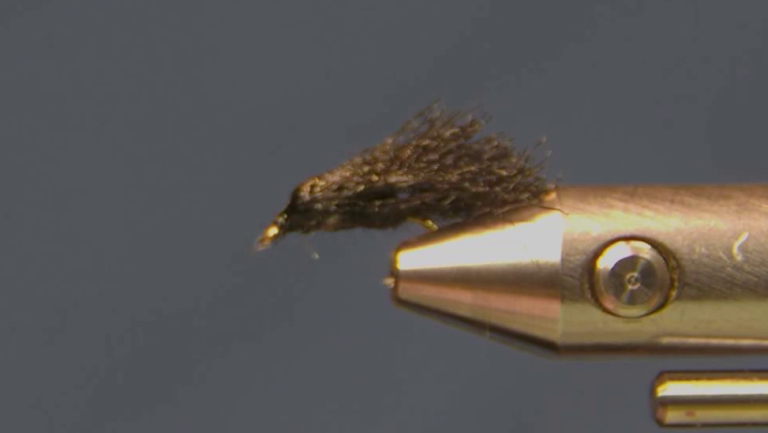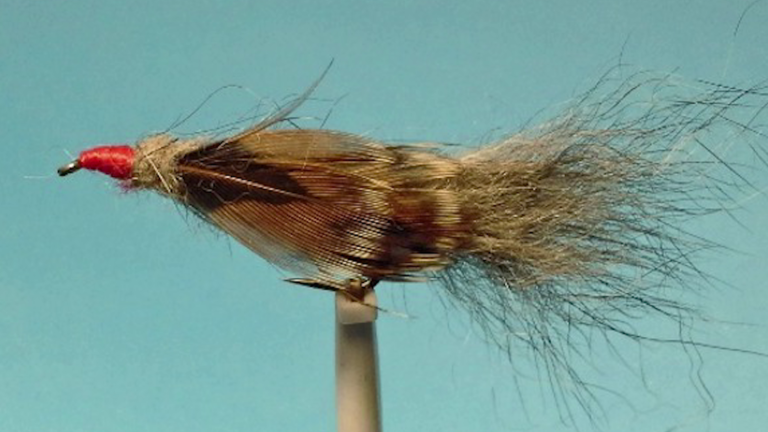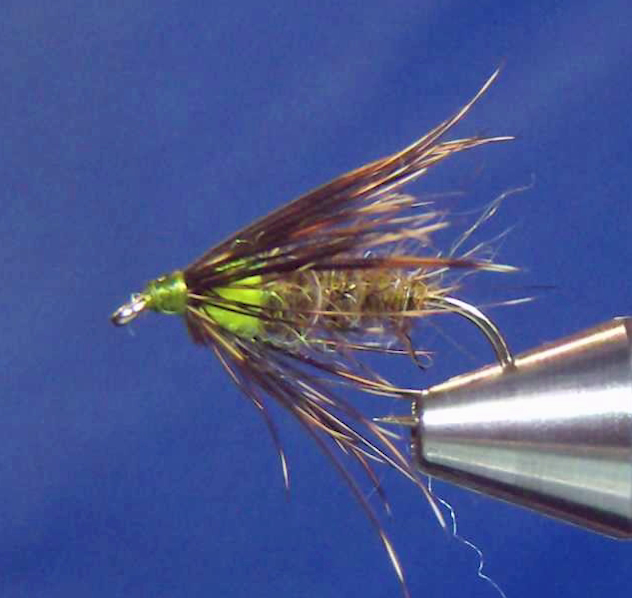

Fed’s take on the Mr Rapidan Soft Hackle Nymph, based on the pattern tied by Dressed Irons.
The Mr Rapidan Soft Hackle Nymph is a versatile emerger pattern designed to imitate caddis emerging just below the surface, as well as the vulnerable emerging stages of mayflies and other aquatic insects.
Fed’s variant keeps the key features of the original pattern but allows the rear dubbing to be easily adapted to suit local conditions and the insects trout are feeding on. One element Fed recommends keeping bright is the Antron dubbing – yellow, bright orange or chartreuse all make excellent choices. Paul uses bright yellow Antron dubbing in his version.
Why It Works
Emerging insects are particularly vulnerable to trout. As they struggle toward the surface, they can become easy targets – and the movement of a soft hackle pattern can be remarkably convincing.
The soft hackle collar pulses in the current, giving the fly plenty of life without requiring much manipulation. Combined with its emerging-insect profile, this makes it particularly effective when trout are feeding just beneath the surface.
It is especially worth trying when you see splashy rises or trout repeatedly refusing your dry flies. The fish may be looking for insects that haven’t quite reached the surface yet.
How to Fish It
Cast across and slightly downstream and allow the fly to swing naturally through the current. Every few seconds, give the rod a slow six-inch lift to make the fly rise slightly, imitating an insect making its way toward the surface.
Keep an eye on the leader and line during the swing. Takes can be subtle, particularly when trout are feeding delicately on emerging insects.
Variations
One of the strengths of this pattern is how easily it can be adapted.
The rear dubbing can be changed to suit the conditions, allowing you to experiment with different colours and materials to imitate local insects. However, Fed recommends keeping the Antron dubbing bright; yellow, bright orange or chartreuse are good options.
This gives the fly a visible, attractive trigger while still retaining the subtle movement that makes the soft hackle so effective.
When trout are keyed in on emerging caddis or mayflies, the Mr Rapidan Soft Hackle Nymph Variant is a simple and effective pattern to have in the fly box.
Materials
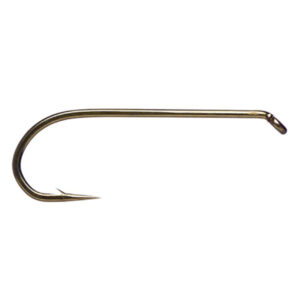
- Hook:2x size 12 nymph.
- Weight:10 turns of .015 Lead free wire.
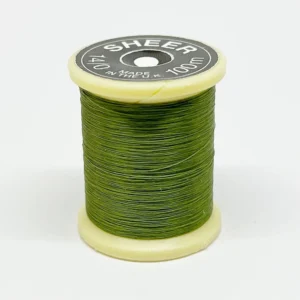
- Thread:Sheer 14/0 Olive.
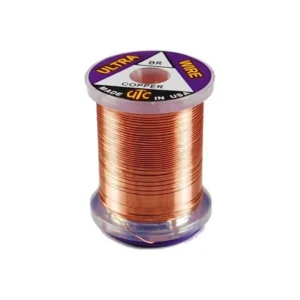
- Rib:Medium Copper Wire.
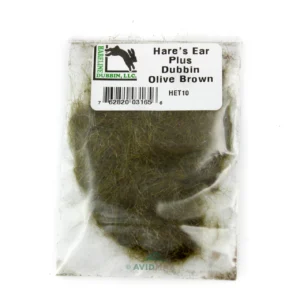
- Body:Hare’s Ear Plus olive brown dubbing.
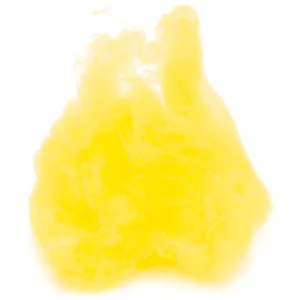
- Thorax:Bright yellow Antron dubbing.
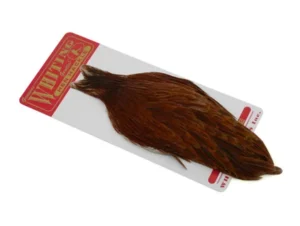
- Hackle: Brown hen hackle.

Tying Instructions
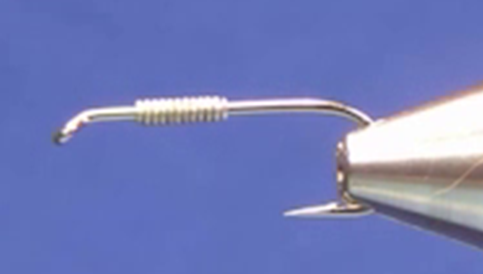
- Crush the barb.
- Wrap 10 turns of .015″ lead-free wire around the hook shank, leaving enough room behind the eye for the thorax and head.
- Cover the hook shank with thread, securing the wire in place.
- Tie in the copper wire at the rear of the body.
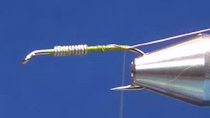
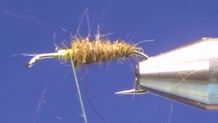
- Dub the body forward to approximately halfway along the hook shank.
- Rib the body with the copper wire and tie it off securely.
- Dub the thorax with Antron dubbing (colour of your choice).
- Tie in the soft hackle by the tips.
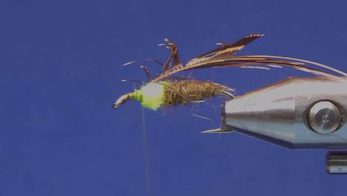
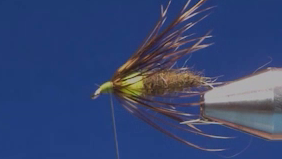
- Wrap the hackle to form a small, sparse soft hackle collar.
- Form a small thread head.
- Half-hitch and whip finish.
- Trim the thread and tidy the fly.