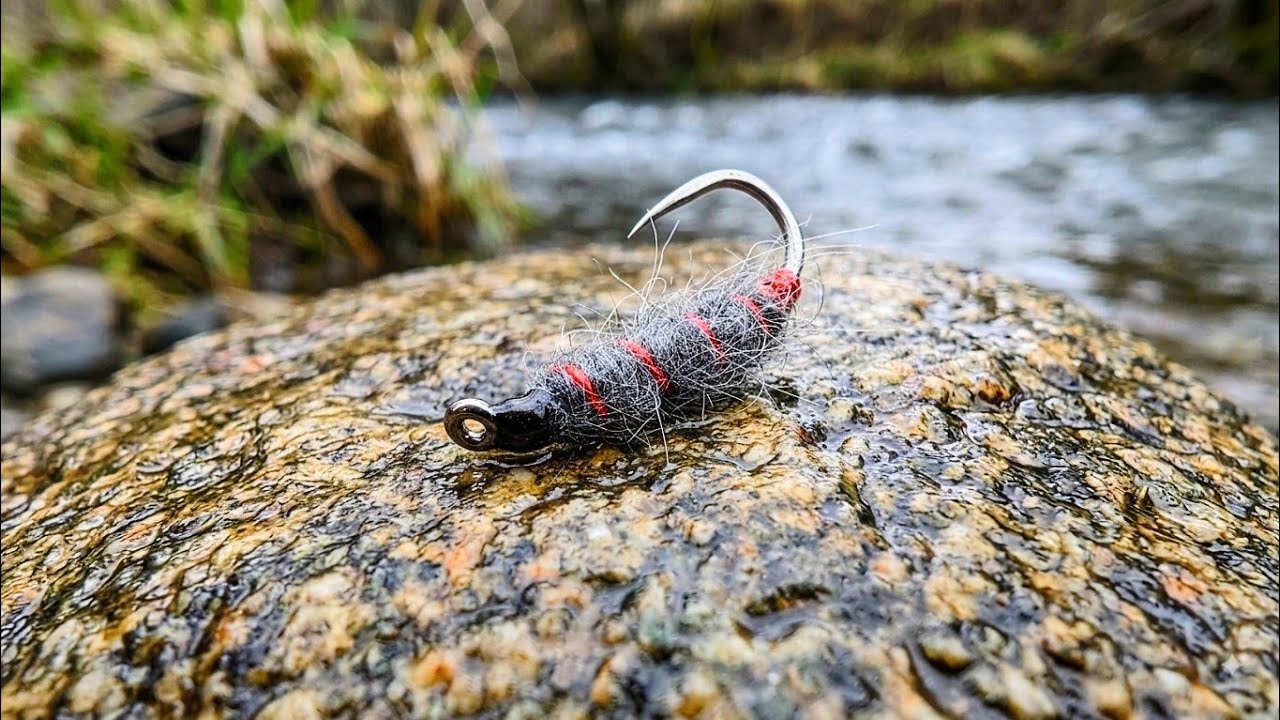

The Killer Bug is one of those wonderfully simple fly patterns that has earned legendary status among fly fishers. Originally developed by English riverkeeper and fly tyer Frank Sawyer in the 1930s, the Killer Bug was designed primarily for fishing for grayling on the River Avon. Today, it remains a highly effective pattern for trout and grayling, particularly when fish are feeding on freshwater shrimp, scuds and other small aquatic food.
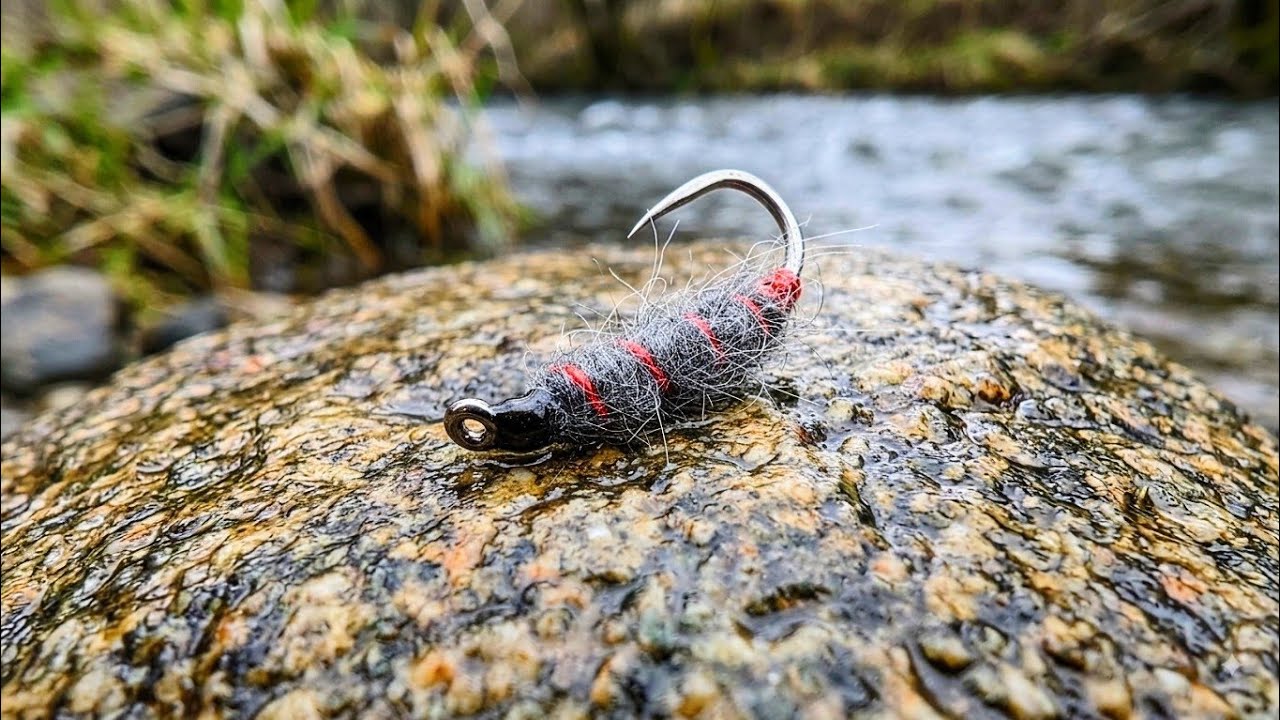
This Charcoal Killer Bug, based on a version by Shota Jokhadze of @ShotaFlies, takes Sawyer’s famous pattern in a darker direction. While charcoal isn’t part of Sawyer’s original recipe, colour variations of the Killer Bug are nothing new – and this dark version makes an interesting addition to the nymph box.
The Killer Bug
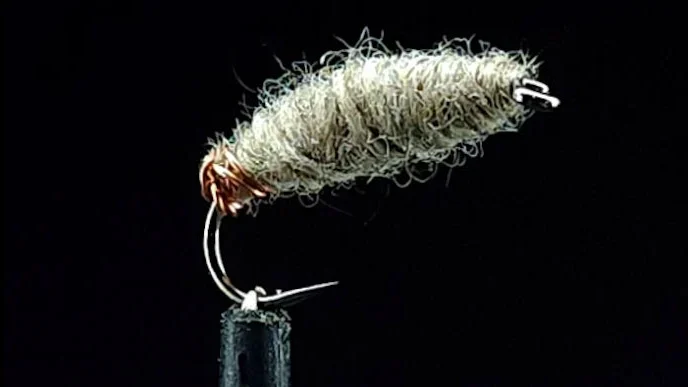
Frank Sawyer developed the Killer Bug during his time as a riverkeeper on the River Avon in Hampshire, England. The pattern was intended to imitate the small freshwater shrimp (Gammarus) that formed an important part of the diet of fish in chalk streams. Sawyer also found the fly particularly effective for grayling.
Like many of Sawyer’s patterns, the Killer Bug is remarkable for its simplicity. The traditional fly consists essentially of wool wound over a copper-wire underbody, with the wire providing both weight and the characteristic segmented appearance of the fly.
Its reputation was helped enormously by the unusual material Sawyer originally used: Chadwick’s 477 darning wool.
The legendary Chadwick’s 477
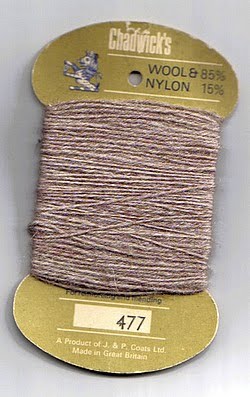
Part of the folklore surrounding the Killer Bug concerns its original yarn. Chadwick’s 477 was a wool-and-nylon darning yarn that has not been manufactured for decades. Sawyer considered the material particularly important because its colour changed dramatically when it became wet.
The dry yarn had a muted, greyish-brown or fawn appearance, while the wet fibres developed a warmer pinkish-tan tone. The copper wire beneath the yarn contributed to the fly’s translucent appearance and gave it the weight needed to get down to feeding fish.
Chadwick’s 477 was discontinued around the mid-1960s, turning the remaining original yarn into one of fly tying’s most sought-after – and expensive – materials. Fortunately, numerous substitute yarns are now available, allowing tiers to reproduce the general appearance and behaviour of the original without sacrificing their life savings to the fly-tying gods.
The Charcoal Killer Bug
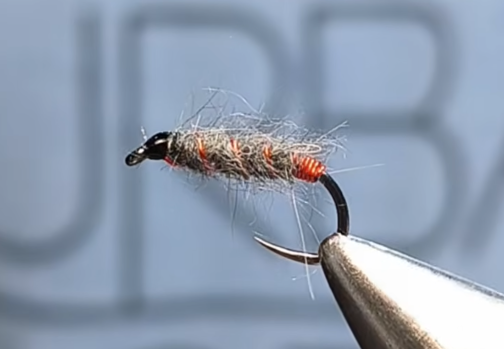
Shota Jokhadze’s Charcoal Killer Bug takes the familiar Killer Bug concept and gives it a distinctly darker appearance.
Rather than attempting to reproduce Sawyer’s original colour exactly, the charcoal version demonstrates one of the strengths of such a simple pattern: change the colour and you have a subtly different fly while retaining the basic Killer Bug profile and presentation.
Dark nymphs can be particularly useful when fishing deeper water, under overcast conditions or whenever the natural food available to trout has a darker appearance. Of course, the fish don’t necessarily see the fly as a literal imitation of one particular insect – the Killer Bug’s compact, slightly tapered body can suggest a variety of small aquatic organisms.
And that’s arguably part of its appeal.
Why does the Killer Bug work?
The original Killer Bug was developed as a freshwater shrimp imitation, but modern anglers have found it effective as a general-purpose nymph. Its shape can suggest scuds, shrimp, caddis or other aquatic larvae, depending on how it is tied and presented.
The pattern also has a useful combination of characteristics:
Perhaps most importantly, the Killer Bug is a reminder that an effective trout fly doesn’t necessarily need to be complicated.
A Classic Pattern with a Modern Twist
The Charcoal Killer Bug is a great example of how a fly pattern can evolve without losing the characteristics that made the original so successful.
Frank Sawyer’s Killer Bug has been catching trout and grayling for generations, and its basic recipe remains almost disarmingly simple. Shota Jokhadze’s darker interpretation adds another useful option for the modern fly fisher while retaining the compact, suggestive profile of the original.
Sometimes the best fly in the box isn’t the one with the most materials.
Sometimes it’s just a bit of wool, some wire, a hook – and a good reason to tie on something different.
Materials
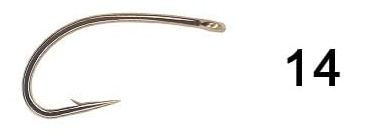
- Hook:Nymph size 14.
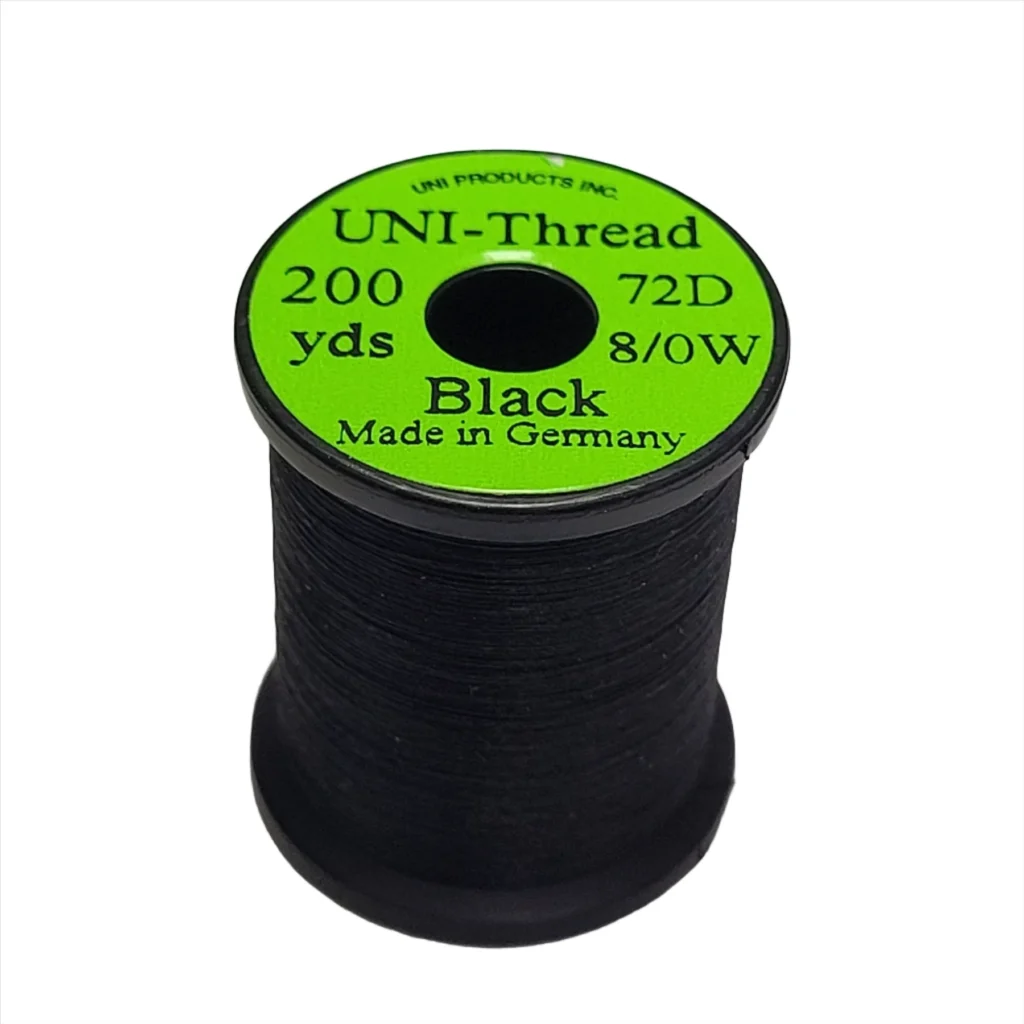
- Thread:Black.
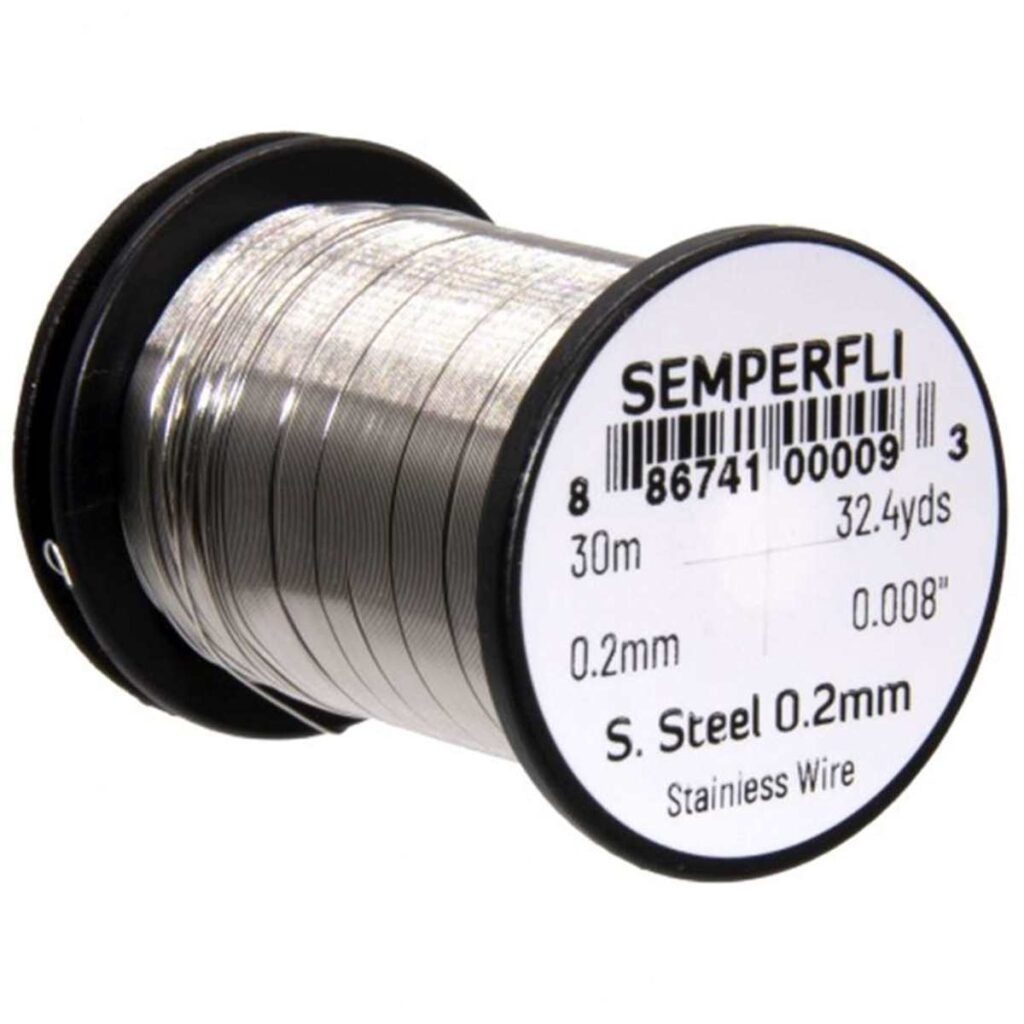
- Weight:0.2mm Lead free wire.
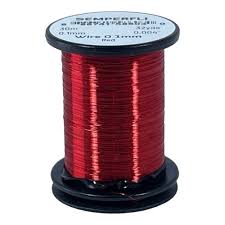
- Hot spot and ribbing:Red wire medium.
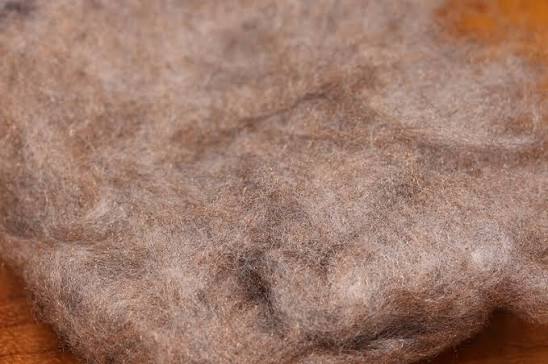
- Body:Charcoal dubbing
- Head:Thread with UV resin.
Tying Instructions
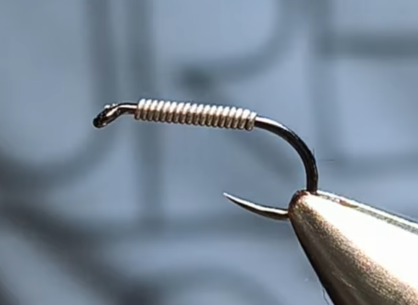
- Crimp the barb.
- Cover the hook shank with wire, creating an even foundation from the bend of the eye.
- Secure the lead-free wire along the shank to provide additional weight.
- Tie in the red wire at the rear of the body.
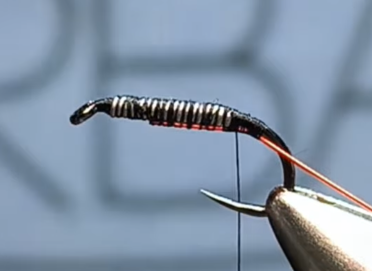
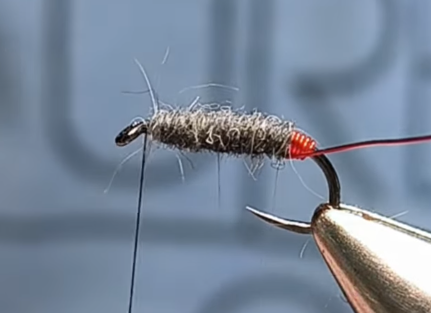
- Create a hot spot by wrapping the red wire several turns at the rear of the body. Tie it off securely.
- Dub the body, tapering it neatly and stopping just short of the hook eye.
- Reverse-wrap the red wire over the dubbed body to create the ribbing. Tie off and trim the excess.
- Form a neat thread head and finish with a whip finish.
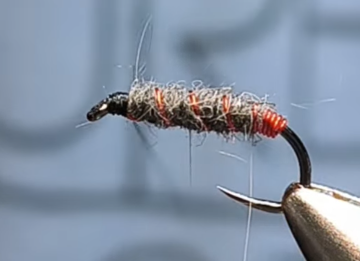
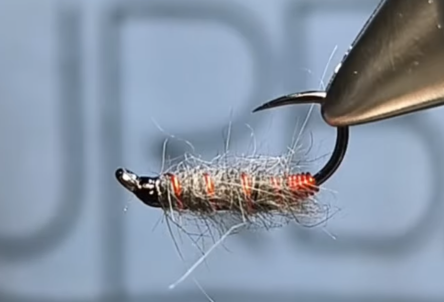
- Rough up the body gently with a dubbing brush or Velcro to create a slightly shaggy, translucent appearance.