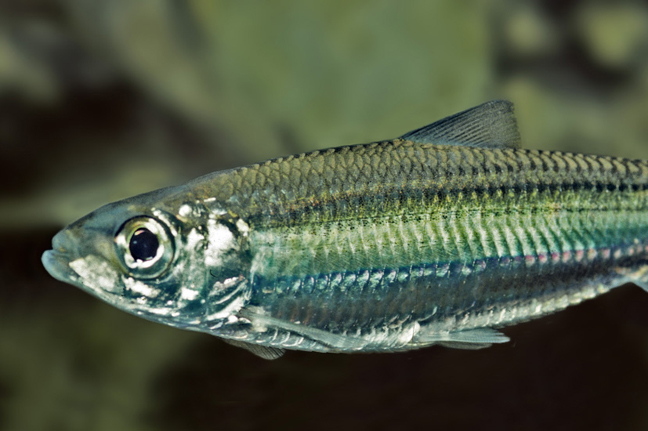
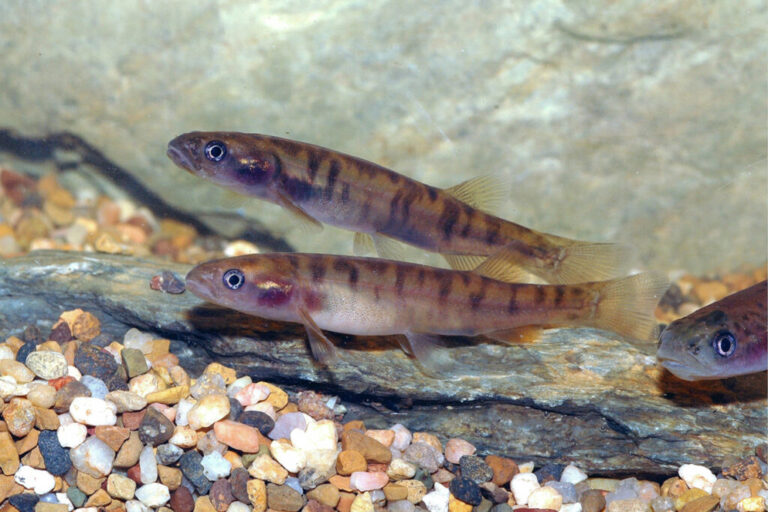
The Mulloway, also known as Jewfish, is a large coastal fish found throughout much of Australia. Its scientific name is Argyrosomus japonicus (formerly known as Argyrosomus hololepidotus). In eastern Australia, Mulloway occur along the coast from around Rockhampton in Queensland, while their western Australian range extends to North West Cape. They are not found in Tasmania.
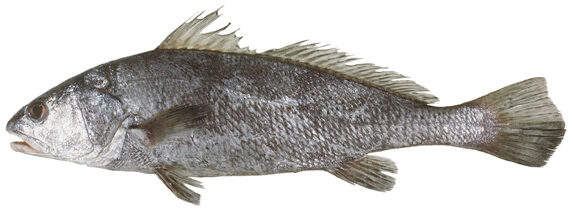
In tropical northern Australia, the closely related-looking Black Jewfish (Protonibea diacanthus) occupies a similar ecological niche.
Identifying Mulloway
Although Mulloway and Black Jewfish can look quite similar, their tail shapes provide a useful identification feature. The rear edge of a Mulloway’s tail is almost straight, whereas the Black Jewfish has a more deeply forked tail that flares towards the centre, creating a distinctive diamond-like appearance.
Mulloway can grow to approximately 1.8 metres in length and weigh up to 60 kg. They are generally silver in colour, with a blue-grey, green or bronze back.
Other identifying features include:
- A distinctive line of pearly white spots along the lateral line.
- A yellowish or orange colouration inside the mouth.
- Sometimes, a conspicuous black patch above the base of the pectoral fin.
The common name Jewfish is often attributed to their large otoliths (ear bones), which are highly prized by some fishers as valuable keepsakes or “jewels”.
Habitat and Feeding Behaviour
Mulloway are primarily an inshore species, commonly inhabiting tidal rivers, estuaries, surf beaches, reefs and rocky headlands. However, they can also be found offshore in water exceeding 100 metres deep.
Areas around road bridges, wharves and other structures are particularly productive fishing locations. These places can attract baitfish, and the illumination from bridge and wharf lights at night can create ideal feeding opportunities for Mulloway.
Although they are not commonly caught on fly, Mulloway are certainly within reach of the fly fisher. Fishing after dark can improve your chances, but they are not exclusively nocturnal feeders. Nor do they always hold in deep water: Mulloway will readily feed near the surface when baitfish are present.
Fly Fishing for Mulloway
Targeting Mulloway on fly requires appropriate tackle, particularly when chasing larger fish.
An 8-weight outfit is generally capable of handling smaller Mulloway, often referred to as “soapies”. However, a 10-weight rod, matched with a suitable reel and a reliable drag system, is a better choice when targeting larger specimens.
Your choice of fly line should depend on where the fish are feeding:
- Floating lines: Ideal when Mulloway are feeding on mullet or other baitfish near the surface. A floating line allows you to present a mullet imitation in the upper water column.
- Fast-sinking lines: An S6 (Type 6) fast-sinking line can be useful during daylight hours when fish are holding deeper. After dark, Mulloway may become less wary and move into shallower water to feed.
A fluorocarbon leader or tippet of approximately 10–15 kg breaking strain is recommended. Mulloway have raspy teeth that can abrade or damage lighter tippets, particularly during prolonged fights.
Best Flies for Mulloway
Mulloway will take a variety of saltwater flies, including Clouser Minnows and shrimp imitations. However, larger baitfish patterns are particularly useful when targeting bigger fish.
Mullet-style patterns such as Sparklebaits and Bombers are worth carrying, especially around illuminated bridges and wharves. Dark-coloured flies create a strong silhouette against the light when viewed from below, while their reflective materials provide a little flash as they catch the surrounding illumination.
Matching your fly to the baitfish present and adjusting its depth to suit the feeding behaviour of the fish will give you the best chance of success.