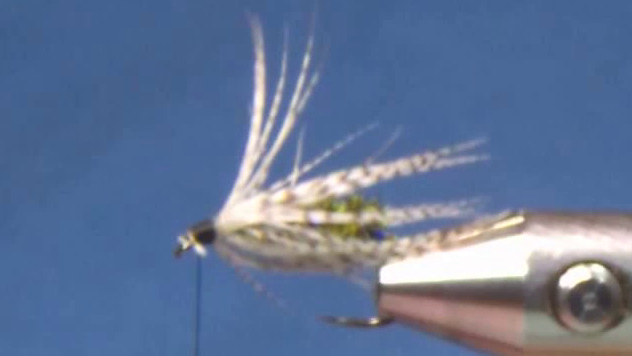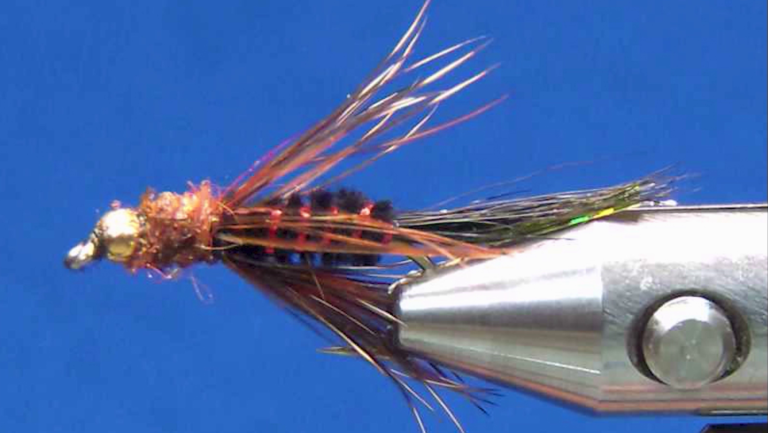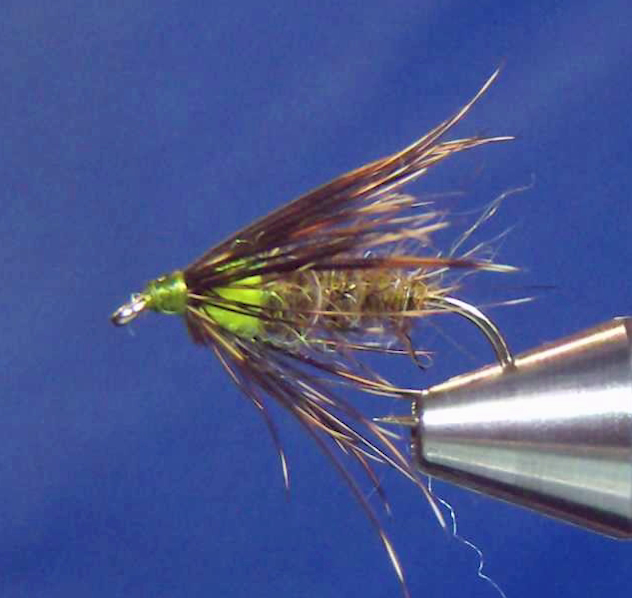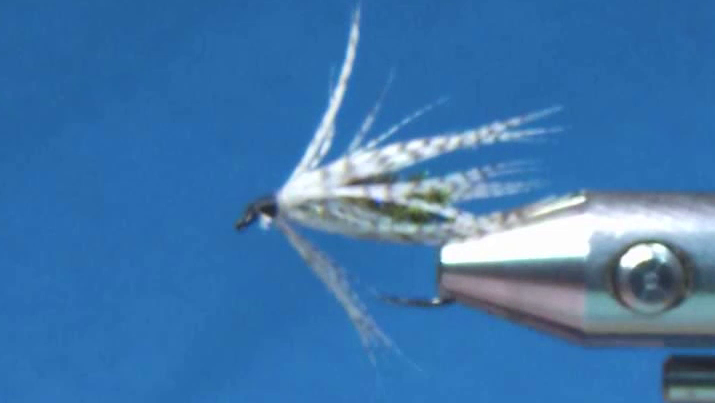

The Last Resort is a classic soft hackle fly originally created by Tim Bedford (1909–1985) of California. Renowned for its simple construction and lifelike movement, it remains an effective trout fly that imitates emerging insects and other subsurface prey. In this article, we tie Fed’s Last Resort Soft Hackle Variant, based on the version tied by Matt O’Neal (@SavageFlies), with one notable Australian twist.
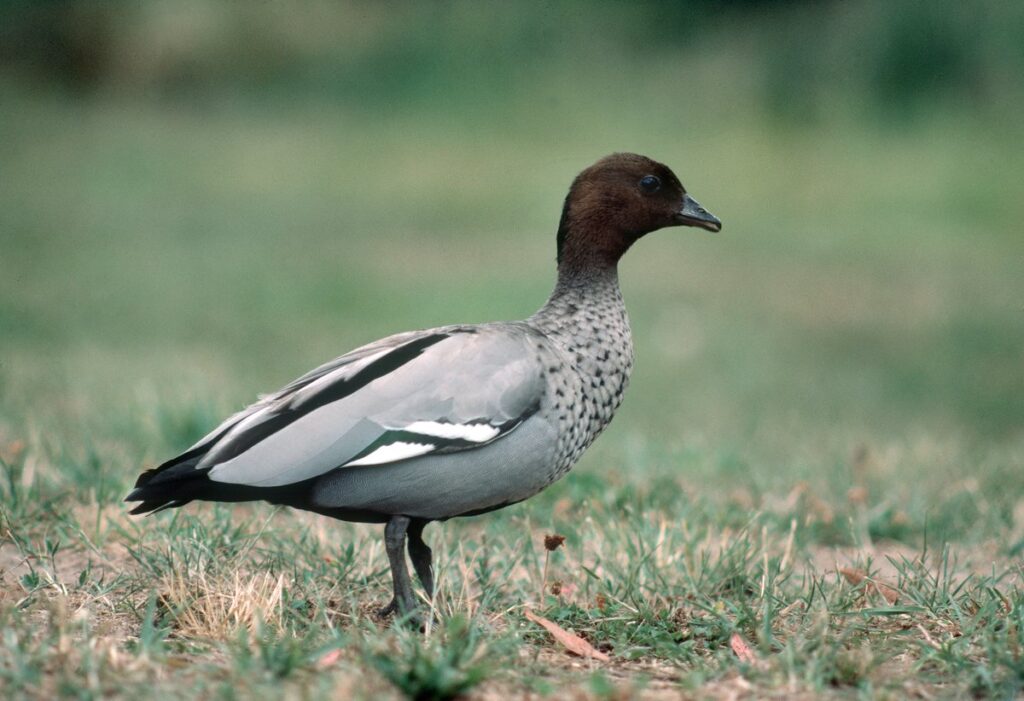
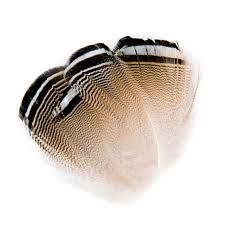
Rather than the traditional partridge hackle, Fed’s variant substitutes Australian Wood Duck flank feathers. The beautifully mottled fibres produce the same soft, mobile action in the water while making use of a readily available Australian material. Combined with a peacock herl body, the result is an elegant, durable soft hackle fly that fishes exceptionally well.
Why Fish the Last Resort?
Soft hackle flies have been fooling fish for generations because they suggest so many different food sources. The sparse profile and flowing hackle imitate emerging mayflies, caddis pupae, drowned insects and other aquatic life. Rather than copying a single insect, the Last Resort represents the movement and vulnerability that trigger strikes.
Fed’s variant maintains these qualities while the Australian Wood Duck hackle adds a distinctive appearance that performs beautifully in moving water.
Materials
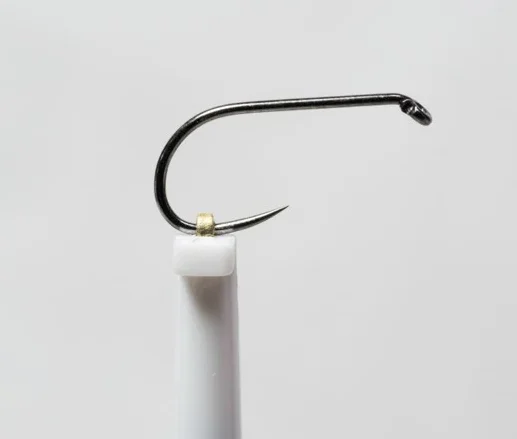
- Hook:10-16 light wire dry fly
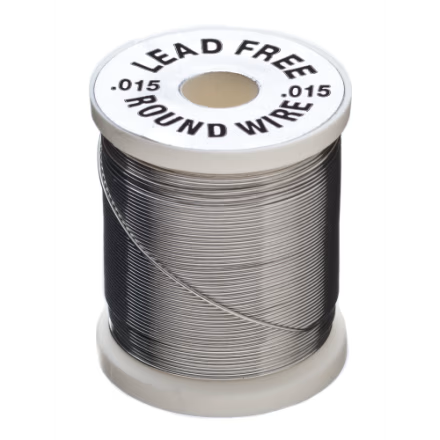
- Weight:8 turns of .015 lead-free wire
- Thread:Sheer 14/0 Black
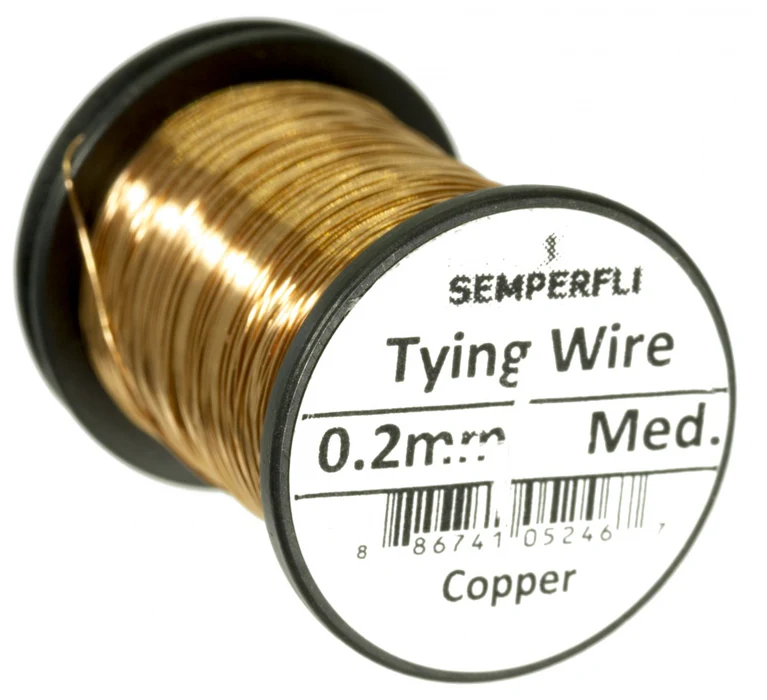
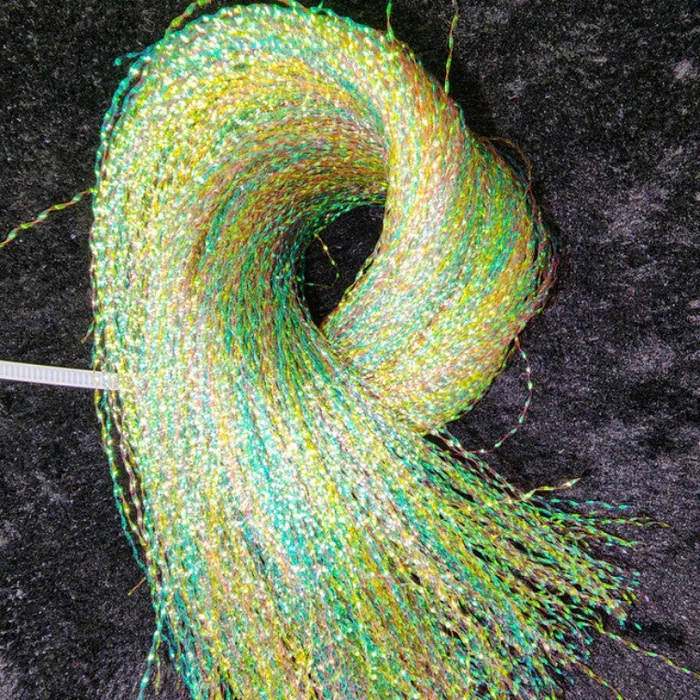
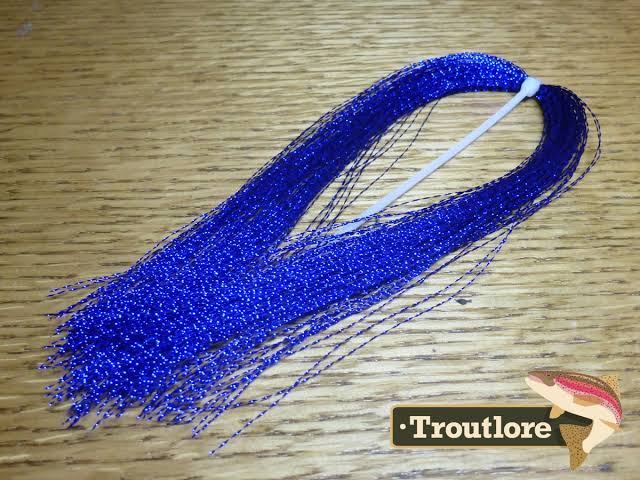
- Rib:Blue Mylar, flash or gold wire
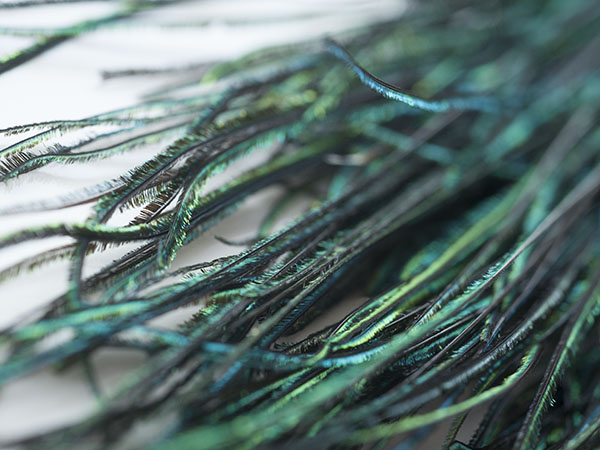
- Body:Peacock herl
- Hackle:Australian Wood Duck

Tying Tips
The key to a successful Last Resort is simplicity. Keep the peacock herl body slim and lightly ribbed with gold wire for durability. Select a soft Australian Wood Duck feather with fibres reaching just beyond the hook bend, and use only one or two turns to create a sparse collar that pulses naturally in the current.
Avoid over-dressing the fly – its effectiveness comes from subtle movement rather than bulk.
When it comes to tying the ribbing:
Fed’s Fly-Tying Tip
“The last thing you tie forward is the first thing you tie in.”
It’s a simple principle that helps plan the sequence of materials. By tying in the rib first and winding it forward last, you create a cleaner fly while protecting delicate materials like peacock herl from the teeth of countless fish.
Tying Instructions
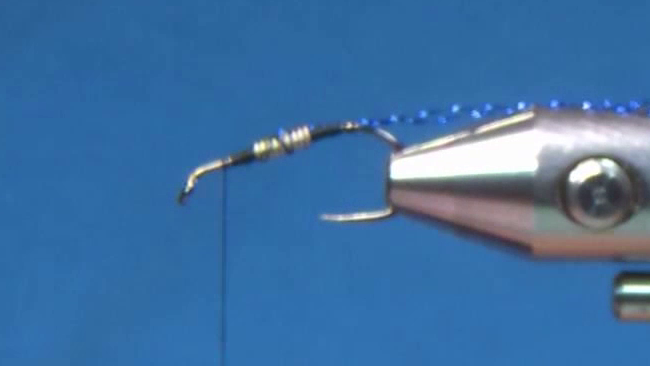
- Starting at the hook barb, bind the lead-free wire securely along the hook shank, using firm thread wraps to keep it in place.
- Tie in the ribbing material at the rear of the hook and secure it along the shank with touching thread wraps.
- As Fed says, “The last thing you tie forward is the first thing you tie in.”
- Tie in three strands of peacock herl immediately in front of the ribbing material.
- Wrap the peacock herl rearward to the hook bend, then wind it forward in touching turns to form a full, durable body.
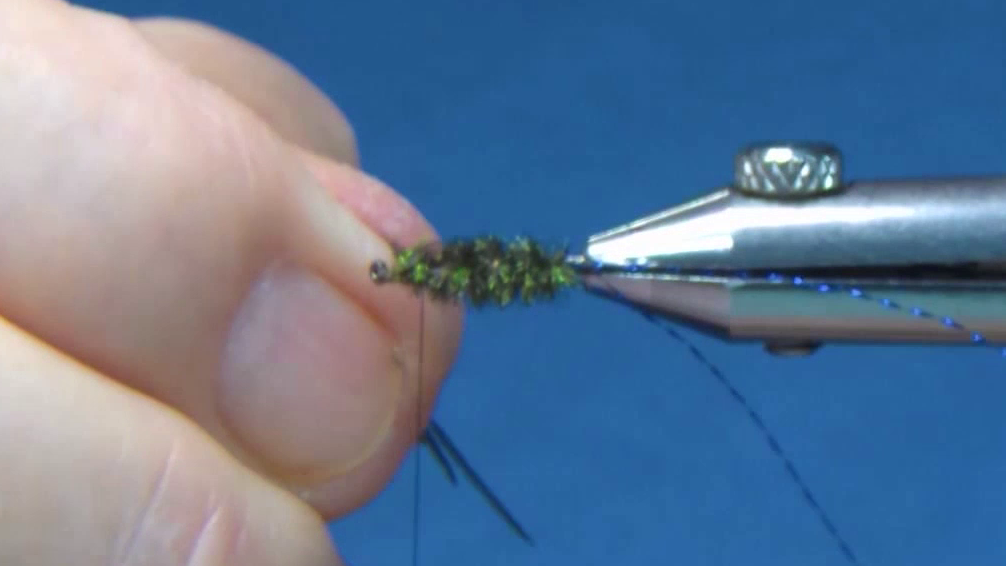
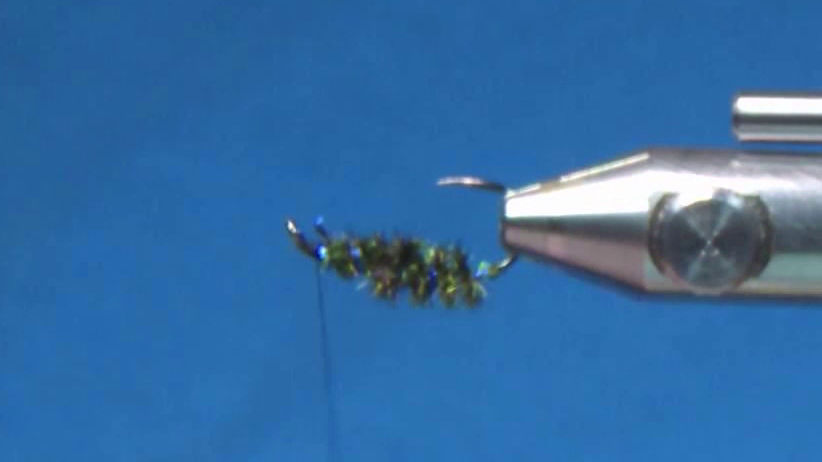
- Secure the herl behind the eye and trim the excess.
- Counter-wrap the gold wire rib evenly through the herl body to reinforce it, then tie off and trim the wire.
- Prepare an Australian Wood Duck flank feather and tie it in by the tip.
- Make two or three turns of hackle, sweep the fibres rearward, secure the stem, trim the excess, and finish the fly with a whip finish.