March 2018 Newsletter

[...] Read More » “March 2018 Newsletter”
A family-oriented fly-fishing club covering the Port Macquarie Hastings region, NSW.
A family-oriented fly-fishing club covering the Port Macquarie Hastings region, NSW.

[...] Read More » “March 2018 Newsletter”

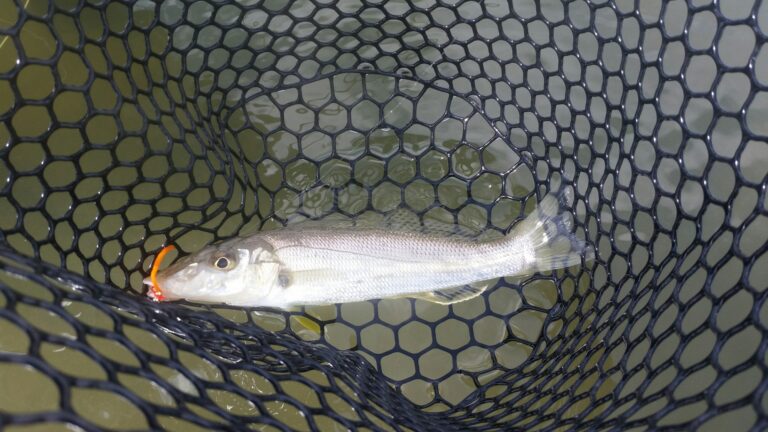
These flies were originally recommended by HFF Distant Member Paul Fedeles for the Hunter Valley (formerly Singleton) Fly Fishing Club Invitational Carp Classic, however they still apply to any carp fishing, eg. Nundle. The Carp Classic was held on mid…
[...] Read More » “February 2018 Newsletter”
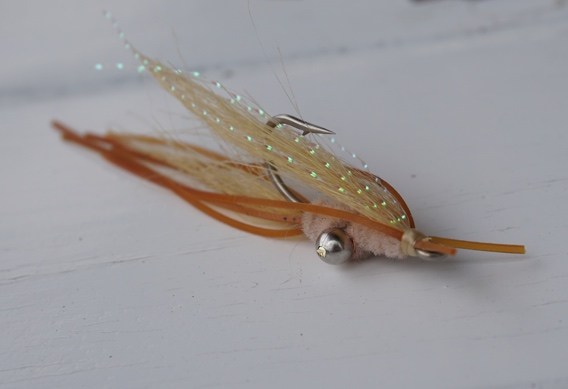
The Squimp Fly is very simple to tie, but lethal for countless flats species.
The Squimp fly very closely imitates a small shrimp, which is the main forage for any bonefish. It also works for other saltwater flats fishes.
The Squimp fly can be tied in many colour variations. Pink works but the traditional tan is the most popular and the most effective. The Squimp fly can be tied with heavy or light eyes, depending on the depth of the flat and the spookiness of the fish. Read More » “Squimp Fly”
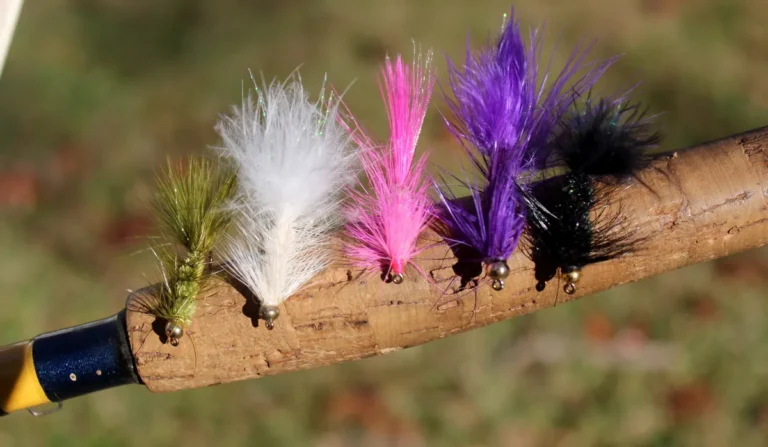
The Woolly Bugger is a versatile fly pattern that catches fish in lakes and rivers. Explore a selection of variations tied by Hastings Fly Fishers member Ben Hicks, featuring different colour combinations and materials. From traditional natural tones to brighter attractor patterns, these variations offer inspiration for your fly-tying bench.
The basic woolly bugger pattern is fairly simple, however, don’t be afraid to experiment. Remember, any fly that catches fish is a good fly. Below you’ll find some variations as tied by Club member and Fly Tie Coordinator Ben Hicks (red was the colour of the day, apparently). Read More » “Variations on a Theme: Woolly Bugger”
[...] Read More » “January 2018 Newsletter”

[...] Read More » “Christmas 2017 Newsletter”
[...] Read More » “December 2017 Newsletter”
[...] Read More » “November 2017 Newsletter”
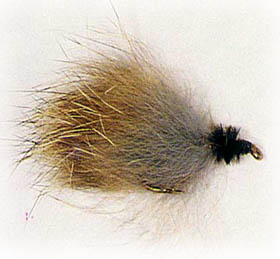
Primarily tied as a general nymph pattern, the Rabbit Fly also makes a pretty good imitation of small dragonfly nymphs that emerge in huge numbers on many Australian lakes. The Rabbit Fly has a collar and tail of soft rabbit fur that moves well in the water, even when the fly is retrieved very slowly. Read More » “Rabbit Fly”