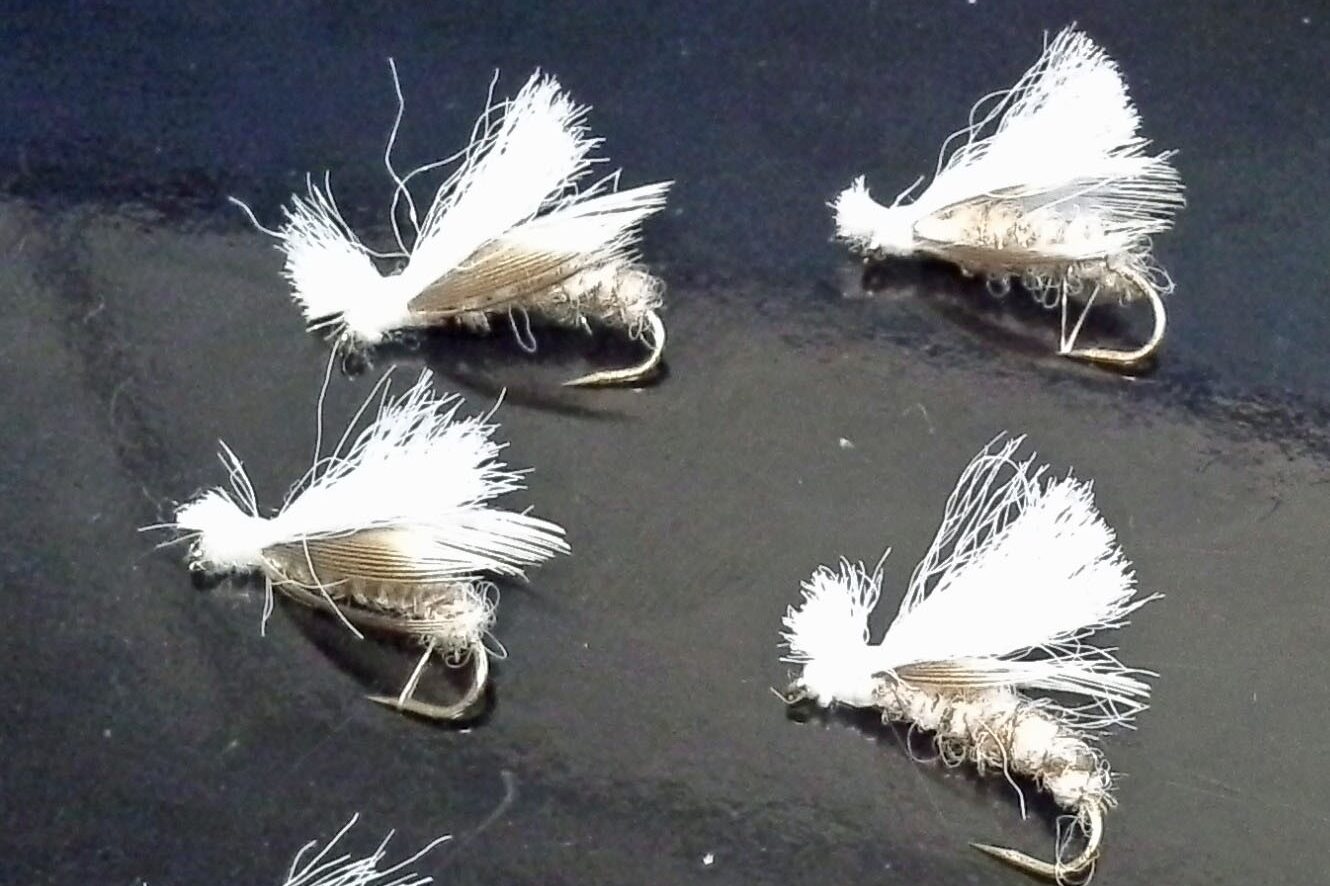


Fed’s Spruce Moth variant is inspired by Tak’s Spruce Moth from Modern Terrestrials: Tying & Fishing the World’s Most Effective Patterns. The book by Rick Takahashi and Jerry Hubka is a comprehensive guide to modern terrestrial fly patterns from around the world.
Original spruce moth dry flies have been staples in western trout waters for many years. These flies imitate large, fuzzy moths that gather near spruce and fir trees. Many eventually end up drifting on the water’s surface. Classic spruce moth patterns are simple but effective. They are usually tied in tan or cream to match what trout see naturally.
Late summer and early autumn in the US offer some of the best dry-fly fishing of the year. Few patterns perform as well as a good spruce moth imitation. Trout key in on terrestrial insects that fall or blow onto the water. Moths can be a major food source during warm, calm days. Spruce moth patterns sit high in the surface film and create confident rises.
Fed’s Variant
Some spruce moth patterns include Krystal Flash or similar materials for antennae or legs. Fed’s variant omits antennae entirely. Fed explains:
“The original pattern has Krystal Flash antennae. However, my mentor Al Beatty said that in his experience as a guide, the antennae sometimes entangle with the tippet. Hence this variation has no antennae.”
This small change pays dividends on the water — less chance of tippet snags or entanglement means more time fishing and fewer lost flies.
Fed’s Spruce Moth variant focuses on simplicity and practicality. It uses materials he already has available at the vice. The pattern stays true to the spirit of Tak’s original design. The only change reflects real-world guiding experience.
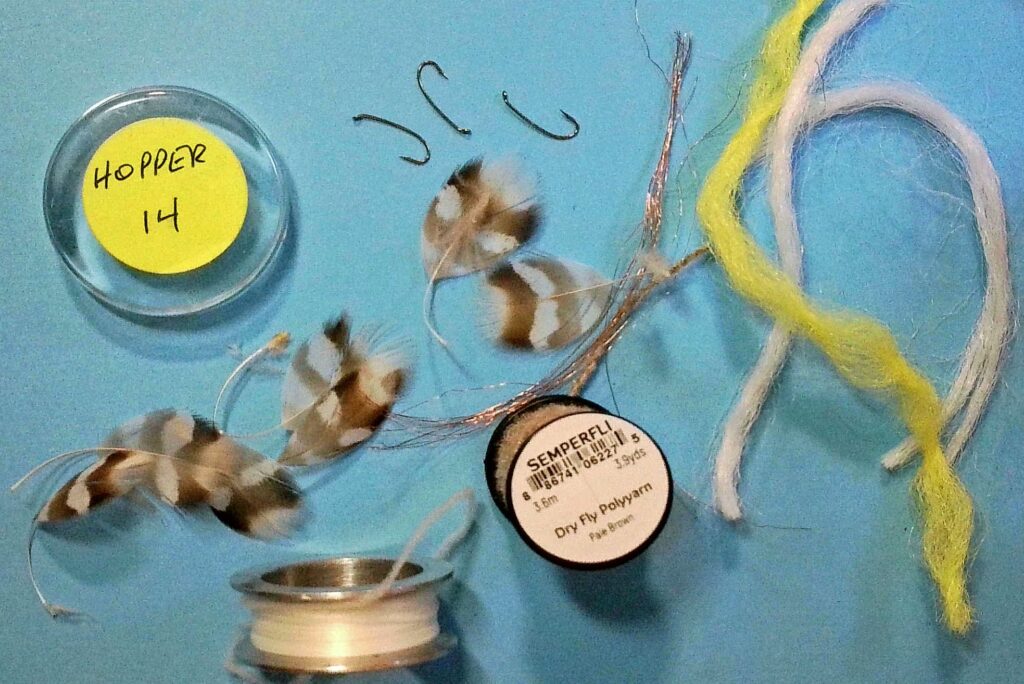
Pattern Recipe — Fed’s Spruce Moth Variant
- Hook: Hopper, Size 14
- Thread: Woolly Nylon — cream
- Rib: Gold wire
- Body: Mix of SEMPERFLI Dry Fly Poly Yarn — pale brown
- Under Wing: Australian Wood Duck wing feather
- Wing: Poly yarn
Why This Variant Works
How to Fish It
Fish this pattern along seams, eddies, and shaded banks where moths collect. Allow it to dead-drift naturally on the surface. Give trout time to notice the fly. Small, subtle imitations often draw the strongest takes. Adjust your drift with mends or fish slower seams for a technical presentation.
Whether you tie a few for spruce-lined streams or add them to your summer fly box, Fed’s Spruce Moth variant is a simple and effective choice for fishing one of the season’s key terrestrial insects.
Tying Instructions
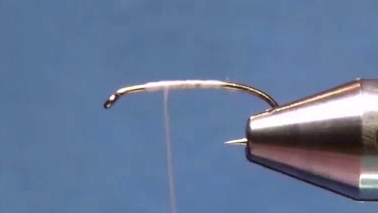
- Crush the barb and secure the hook in the vice.
- Start the thread and cover the hook shank with a smooth thread base.
- Tie in the gold wire rib at the rear of the hook and leave it hanging.
- Tie in the dry fly poly yarn at the eye and secure it back to the bend.
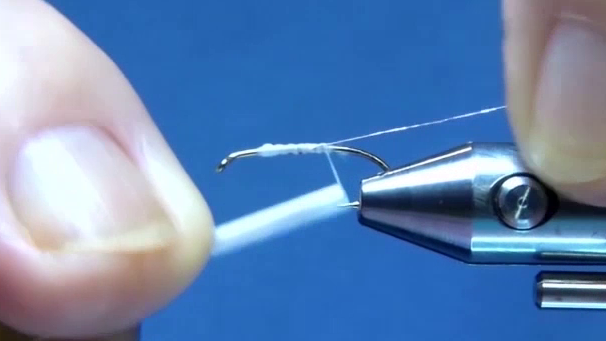
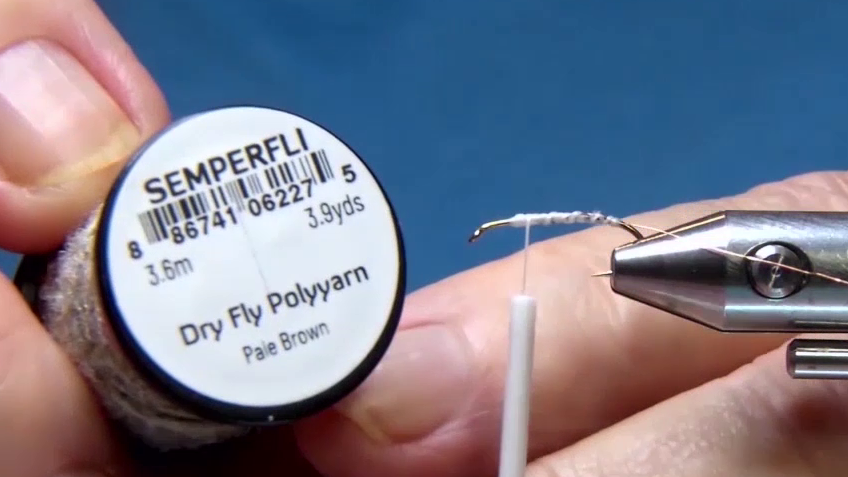
- Form the body by wrapping the poly yarn forward to the eye, creating an even profile.
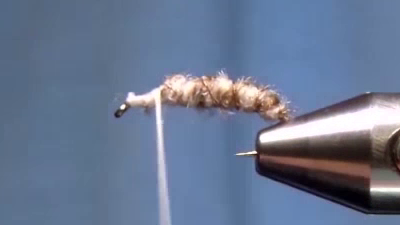
- Counter-wrap the gold wire forward to rib the body, then tie off and trim.
- Tie in the hen feather on top of the hook shank, with the tips extending just to the bend.
- Form the wing by selecting a small amount of poly yarn, tying it in on top of the hook.
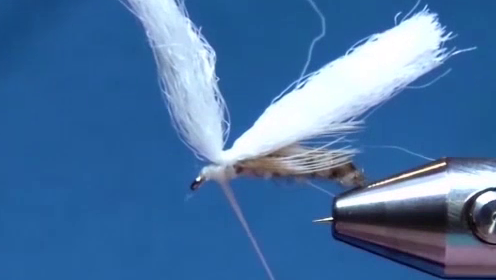
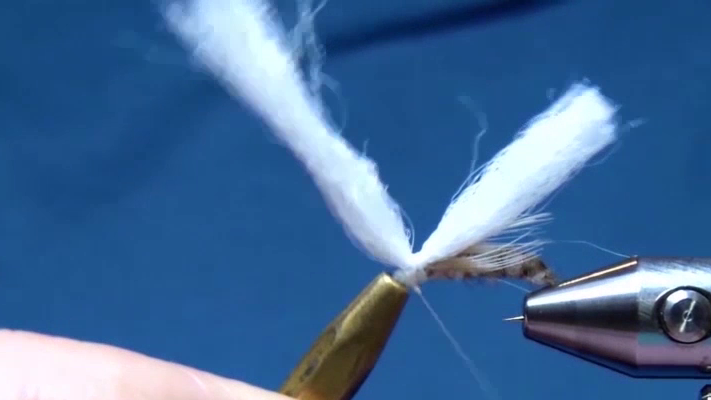
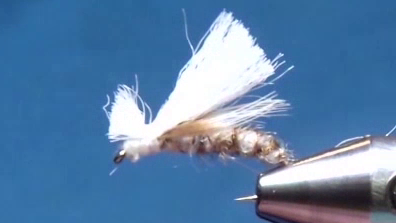
- Whip finish, secure the thread, and trim.
- Your completed fly is ready for action!