Fly of the Month

Welcome to our “Fly of the Month” feature, where we highlight a different fly pattern (or patterns) each month to enhance your fly fishing experience.

Whether you’re a seasoned angler or just starting out, our monthly spotlight will provide you with essential information, including detailed tying instructions, tips on when and where to use it, and the best techniques for maximising its effectiveness.

Join us on this journey as we explore the art and science of fly fishing, one fly at a time!

Squimp Fly

squimp fly

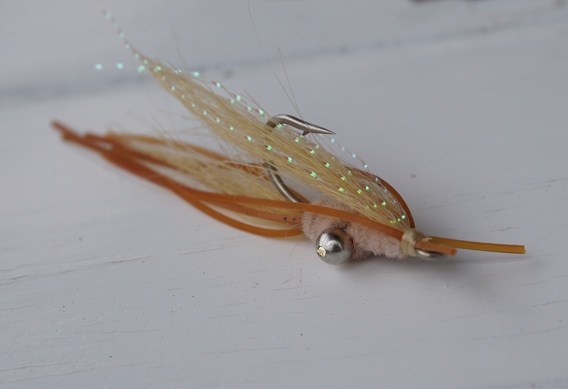
The Squimp Fly is very simple to tie, but lethal for countless flats species.

The Squimp fly very closely imitates a small shrimp, which is the main forage for any bonefish. It also works for other saltwater flats fishes.

The Squimp fly can be tied in many colour variations. Pink works but the traditional tan is the most popular and the most effective. The Squimp fly can be tied with heavy or light eyes, depending on the depth of the flat and the spookiness of the fish.

Read MoreSquimp Fly

Variations on a Theme – Woolly Bugger

The Woolly Bugger is a very versatile pattern that will catch fish on virtually any lake or river. It can be tied in a variety of colour combinations, usually natural ones such at black, brown and olive.

The basic woolly bugger pattern is fairly simple, however, don’t be afraid to experiment. Remember, any fly that catches fish is a good fly. Below you’ll find some variations as tied by Club member and Fly Tie Coordinator Ben Hicks (red was the colour of the day, apparently).

Read MoreVariations on a Theme – Woolly Bugger

Rabbit Fly

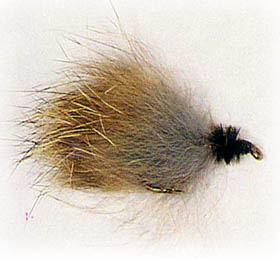
Primarily tied as a general nymph pattern, the Rabbit Fly also makes a pretty good imitation of small dragonfly nymphs that emerge in huge numbers on many Australian lakes. The Rabbit Fly has a collar and tail of soft rabbit fur that moves well in the water, even when the fly is retrieved very slowly.

Read MoreRabbit Fly

Red Tag

Throughout Australia the Red Tag is excellent fished to surface feeding trout in rivers or still water (it is also a must-have for herring!). The fly is a half imitator and half attractor; the red tag, the peacock herl and, to some extent, the brown hackle attracting the fish.

Read MoreRed Tag

Black Tadpole

Designed by Terry Griffiths and Peter Gathercole in the 1960s, the Black Tadpole takes the use of turkey marabou for highly mobile wings and tails to it's logical conclusion. The Tadpole's tail is highly mobile and much longer than its body, giving it plenty of movement in still water.

Read MoreBlack Tadpole